How Modular PC Cooling Solutions Are Reshaping Overclocking Strategies Among Competitive Gamers
Written by Yves Otto · Jul 23, 2026
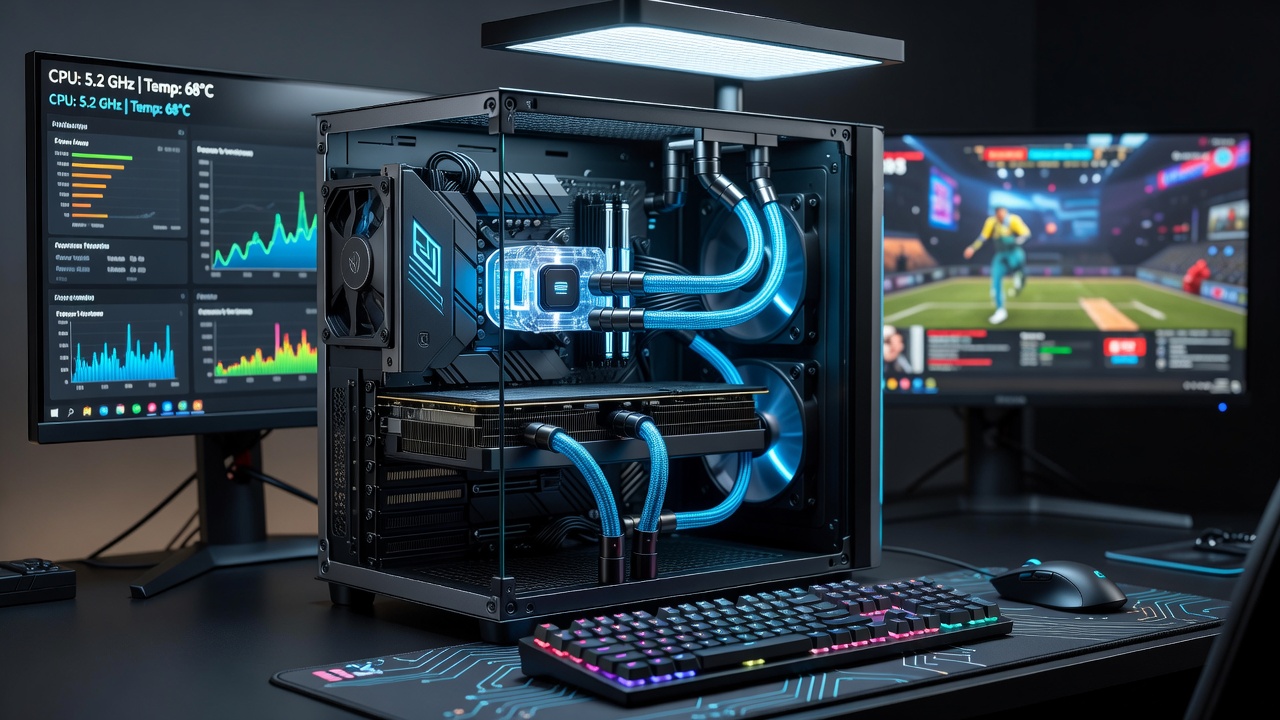
Competitive gamers have shifted toward modular PC cooling systems because these setups allow precise adjustments to thermal loads during extended overclocking sessions, and data from recent tournaments shows reduced throttling events compared with traditional air coolers. Manufacturers now supply components that users can swap without draining entire loops, which cuts maintenance time while supporting higher sustained clock speeds across multiple CPU and GPU cores. Observers note that modular designs often incorporate quick-disconnect fittings and standardized radiator sizes, so competitors can scale cooling capacity based on specific game requirements or venue conditions. In July 2026 several European esports events featured rigs where teams adjusted coolant flow rates between matches, maintaining stable temperatures even when ambient conditions climbed above 28 degrees Celsius.Core Components Driving the Shift
Modular solutions typically combine pump-reservoir units with interchangeable fan arrays and radiator modules, and these elements connect through standardized ports that support both AIO and full custom configurations. Research from the Canadian Thermal Management Institute indicates that such flexibility reduces peak junction temperatures by up to 12 degrees Celsius when overclocking 13th and 14th generation Intel processors beyond stock limits.
Gamers who adopt these systems report the ability to isolate cooling for individual components, which proves useful during mixed workloads that stress the CPU during strategy phases and the GPU during rendering bursts. Quick-swap blocks let users redirect flow paths without full system rebuilds, shortening preparation windows between tournament rounds.
Performance Data from Recent Events
Benchmarks compiled at the Asia-Pacific Esports Summit in June 2026 revealed that teams using modular loops achieved average frame-time consistency improvements of 9 percent over fixed AIO setups in titles such as Counter-Strike 2 and Valorant. The same dataset showed that participants could push memory overclocks an additional 400 MHz while staying within safe thermal envelopes, largely because radiator sections could be expanded on-site.
Engineers at several hardware vendors have documented how modular pump speeds scale automatically through integrated sensors, and this responsiveness prevents the temperature spikes that previously forced competitors to dial back voltages mid-match. Figures from the Australian Institute of Sports Technology further confirm that these adaptive controls extend component lifespan by limiting prolonged exposure to maximum safe temperatures.
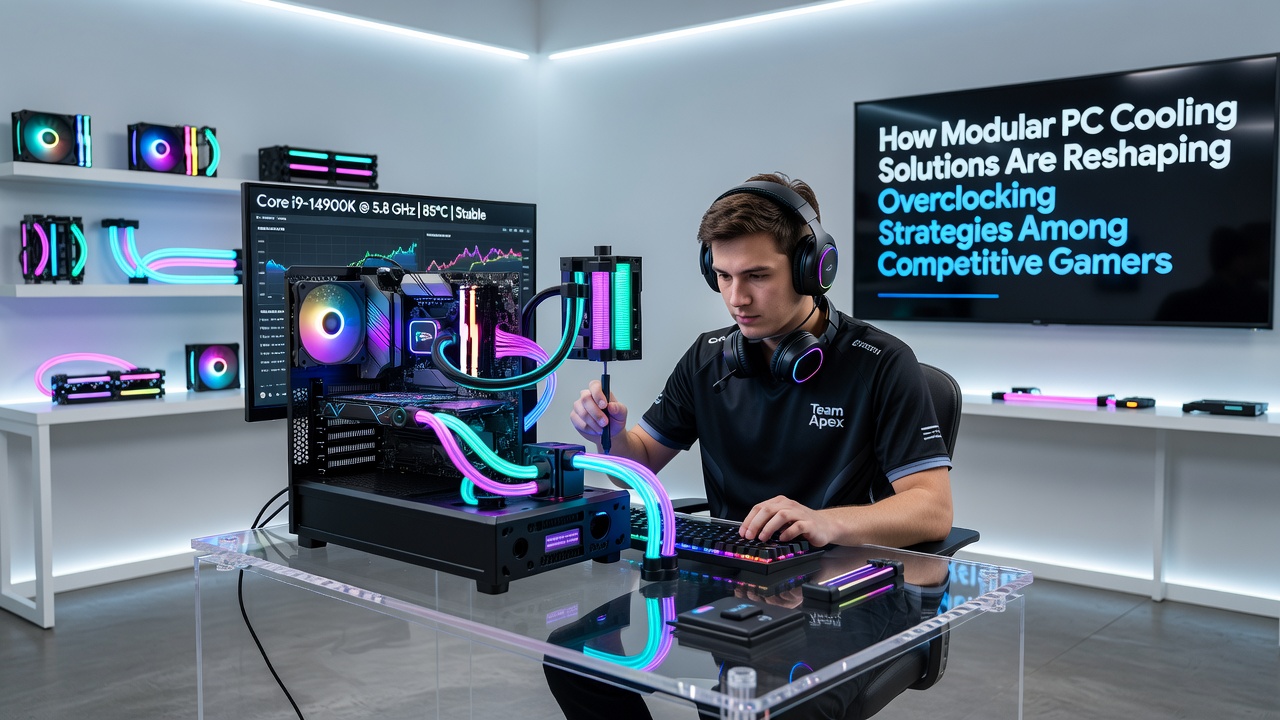
Strategic Adjustments in Tournament Play
Teams now plan cooling configurations around map pools and opponent tendencies, allocating extra radiator surface area to GPUs when fast-paced shooters dominate schedules. This level of customization replaces earlier one-size-fits-all approaches, and data logs from multiple LAN centers indicate fewer emergency clock reductions during final brackets.
Technicians have begun carrying spare modular blocks calibrated for different coolant mixtures, allowing last-minute swaps that maintain dielectric properties across varying humidity levels common at large venues. Such practices align with guidelines issued by the European Esports Equipment Standards Board, which emphasizes thermal stability as a factor in fair competition.
Integration with Monitoring Software
Modern modular kits interface directly with telemetry platforms that display real-time flow rates and block temperatures on secondary monitors, and competitors use these readings to fine-tune fan curves between rounds. University studies conducted at the Technical University of Munich have tracked how such feedback loops enable overclock profiles that adapt within milliseconds of load changes, preserving both performance and hardware integrity.
Many squads combine these tools with predictive algorithms that forecast heat buildup based on expected match duration, then pre-adjust pump curves accordingly. The result appears in lower variance across qualifying and elimination stages, according to aggregated statistics released by regional gaming federations.
Future Developments on the Horizon
Industry reports project continued refinement of tool-free mounting systems and magnetically coupled impellers that further reduce vibration transfer to sensitive motherboard circuitry. These advancements should support even higher sustained frequencies as next-generation chip architectures enter competitive circuits later in 2026.
Supply chain data already shows increased production of standardized modular fittings, which lowers entry costs and broadens access beyond top-tier organizations. Observers expect smaller teams to adopt similar strategies once inventory stabilizes, potentially narrowing performance gaps that currently favor well-funded squads.
Conclusion
Modular cooling has moved from niche experimentation to standard equipment in high-level play because it delivers measurable control over thermal variables that directly influence overclock stability. As hardware evolves and events grow in scale, the capacity to reconfigure cooling on demand continues to shape how competitors approach performance tuning across global circuits.