How Augmented Reality Filters Are Reshaping Casual Mobile Gaming Sessions in Everyday Spaces
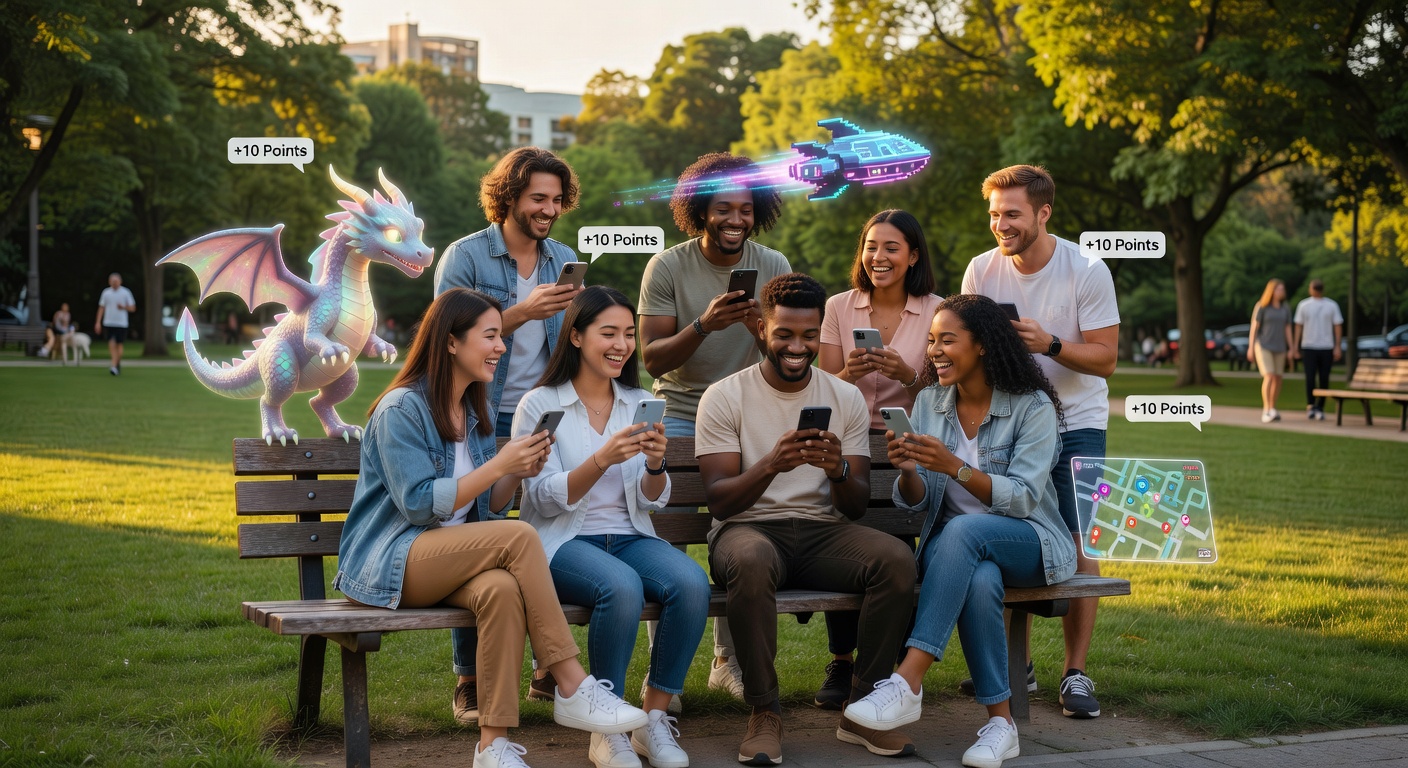
Augmented reality filters have moved beyond simple camera effects and now integrate directly into casual mobile gaming sessions that unfold in kitchens, parks, and waiting areas. Developers embed these filters into titles that use device cameras to place interactive elements onto real-world surfaces, and players access them through standard apps without extra hardware. Data from industry reports shows that sessions lasting under fifteen minutes have increased in frequency as filters simplify setup and reduce loading times compared to traditional virtual environments.
Observers note that everyday spaces gain new utility when filters map game mechanics onto tabletops or sidewalks. A player might align virtual puzzle pieces with actual furniture edges, while another traces paths across floor tiles that appear only through the screen. This approach keeps sessions spontaneous, and it works because most smartphones already contain the necessary sensors for spatial tracking.
Filter Mechanics in Current Mobile Titles
Current mobile games apply filters through layered rendering that adjusts in real time to lighting conditions and object distances. The system detects flat surfaces first, then overlays characters or objects that respond to taps and gestures. Research from the University of Toronto indicates that filter accuracy has improved by measurable margins since 2024, particularly in variable outdoor light. Players therefore experience fewer interruptions when moving between indoor and outdoor locations during a single session.
Filters also incorporate social elements where multiple devices share the same augmented layer. One device hosts the environment while others join as participants, and synchronization happens over local networks rather than distant servers. This setup appears in titles released or updated around early 2026, allowing groups to gather in a single room without requiring identical hardware.
Usage Patterns Across Daily Locations
People often start sessions in living rooms during short breaks and continue them on public transit by switching to portable filter modes. The same game instance adapts because filters scale down complexity when space or stability decreases. Figures from the Entertainment Software Association reveal that casual playtime in non-home environments rose steadily through 2025 and into May 2026, coinciding with wider adoption of improved camera calibration in mid-range devices.
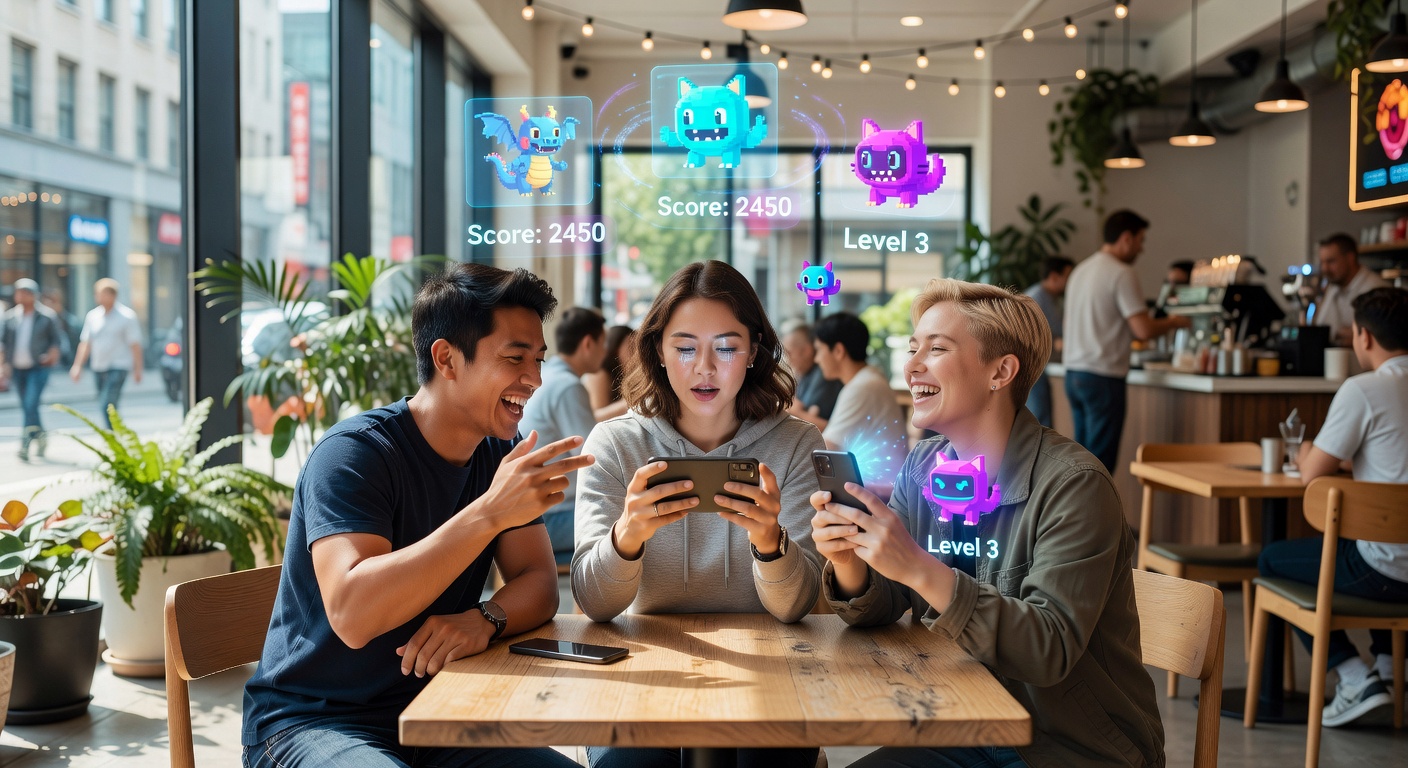
Workplace lounges and café tables now host brief competitive rounds because filters can mask background distractions with thematic overlays. A coffee cup might become a collectible item, and surrounding chairs serve as obstacles. These adaptations keep gameplay visible to the player yet unobtrusive to bystanders, and they rely on selective transparency settings built into the filter engines.
Technical Requirements and Accessibility
Most filters run on devices meeting basic ARKit or ARCore standards, which now cover the majority of phones sold after 2023. Processing occurs locally to maintain low latency, although optional cloud assistance appears in larger multiplayer setups. Observers have documented that battery consumption stays manageable during twenty-minute sessions when players keep brightness moderate and disable unnecessary background applications.
Accessibility features within filters include adjustable contrast and simplified gesture alternatives for users who prefer touch over movement. These options emerged from developer guidelines issued by regional standards bodies and have been incorporated into several major platform updates released in the first half of 2026.
Interaction with Surrounding Environments
Filters interact with physical objects by recognizing edges and textures rather than replacing entire scenes. A player can therefore maintain awareness of nearby people or obstacles while still engaging with game elements. Studies from the Australian Institute of Sport and Recreation note that this partial overlay approach reduces the risk of disorientation compared with fully immersive experiences. Sessions consequently fit more naturally into routines that involve waiting or commuting.
Sound design complements the visuals by using spatial audio that ties effects to detected surfaces. Footstep echoes might align with actual floor materials, and ambient tracks adjust volume based on real-world noise levels captured through the microphone. These details strengthen the connection between the filter and the location without requiring additional user input.
Conclusion
Augmented reality filters continue to expand the range of spaces where casual mobile gaming occurs by lowering barriers to entry and adapting to available surroundings. As device capabilities advance and more titles integrate these tools, sessions become shorter yet more frequent across homes, public areas, and transitional spaces. The pattern observed through May 2026 points to sustained growth in filter-based play that blends digital content with physical context rather than isolating players from it.