Eye-Tracking Innovations Reshaping Esports Team Play and Audience Engagement Worldwide
Written by Kai Coleman · Aug 16, 2026
Eye-Tracking Innovations Reshaping Esports Team Play and Audience Engagement Worldwide
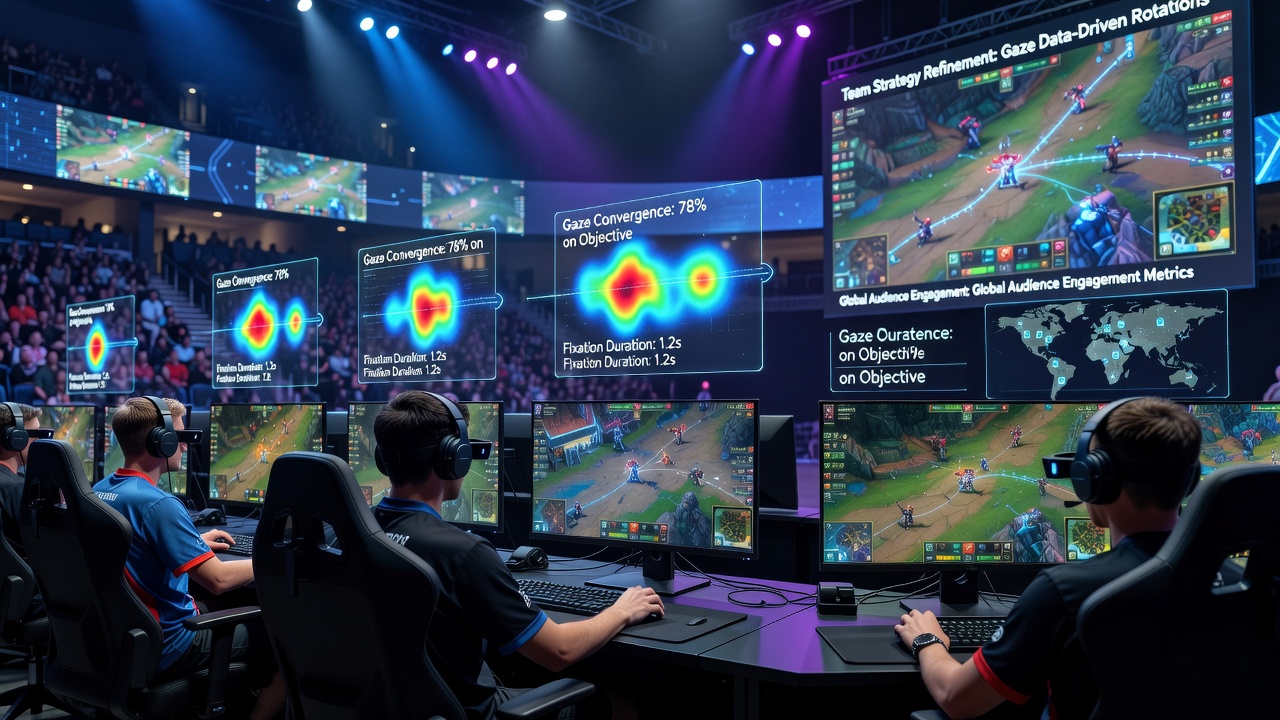
Eye-tracking systems have become standard fixtures in many professional esports venues by August 2026, where sensors mounted on monitors and headsets capture player gaze patterns at rates exceeding 120 frames per second. These systems feed raw data into analytics platforms that teams review between matches to identify visual attention hotspots during critical moments such as objective captures or defensive rotations. Research from the University of Sydney's gaming performance lab shows that teams incorporating gaze analysis into their preparation routines record measurable improvements in coordination metrics across multiple titles including first-person shooters and real-time strategy games.
Coaches now receive detailed heatmaps that reveal whether players consistently scan minimaps at optimal intervals or fixate too long on single targets during engagements. This information allows staff to adjust training drills that target specific attention lapses rather than relying solely on traditional kill-death ratio reviews. Data collected during the 2026 International Esports Championship circuit indicated that squads using these tools reduced average response times to incoming threats by noticeable margins compared to previous seasons without the technology.
Integration into Live Competition Environments
Arenas equipped with synchronized eye-tracking arrays transmit anonymized streams directly to team analyst stations positioned behind soundproof booths, enabling real-time adjustments during ongoing series. Technicians calibrate equipment before each match block to account for individual player eye physiology and lighting conditions inside the venue. Observers note that these setups require minimal additional hardware beyond standard gaming peripherals, which keeps deployment costs manageable for mid-tier organizations entering the professional scene.
Hardware manufacturers have standardized USB-C connections and API compatibility so that multiple sensor brands operate within the same ecosystem without custom drivers. This interoperability supports tournaments that rotate between different venue operators throughout the year. Figures from industry reports compiled by the Global Esports Federation reveal steady adoption growth, with over 65 percent of top-division events featuring some form of gaze monitoring by mid-2026.
Refining Strategic Decision-Making Through Visual Data
Teams analyze aggregated gaze sequences to determine whether players maintain proper crosshair placement before fights or check specific map locations at predictable intervals. Analysts compare these patterns against successful outcomes to refine callouts and positioning guidelines shared during timeouts. One documented case from a European league squad demonstrated how gaze data prompted a shift in defensive setups that improved map control percentages across a four-week period.
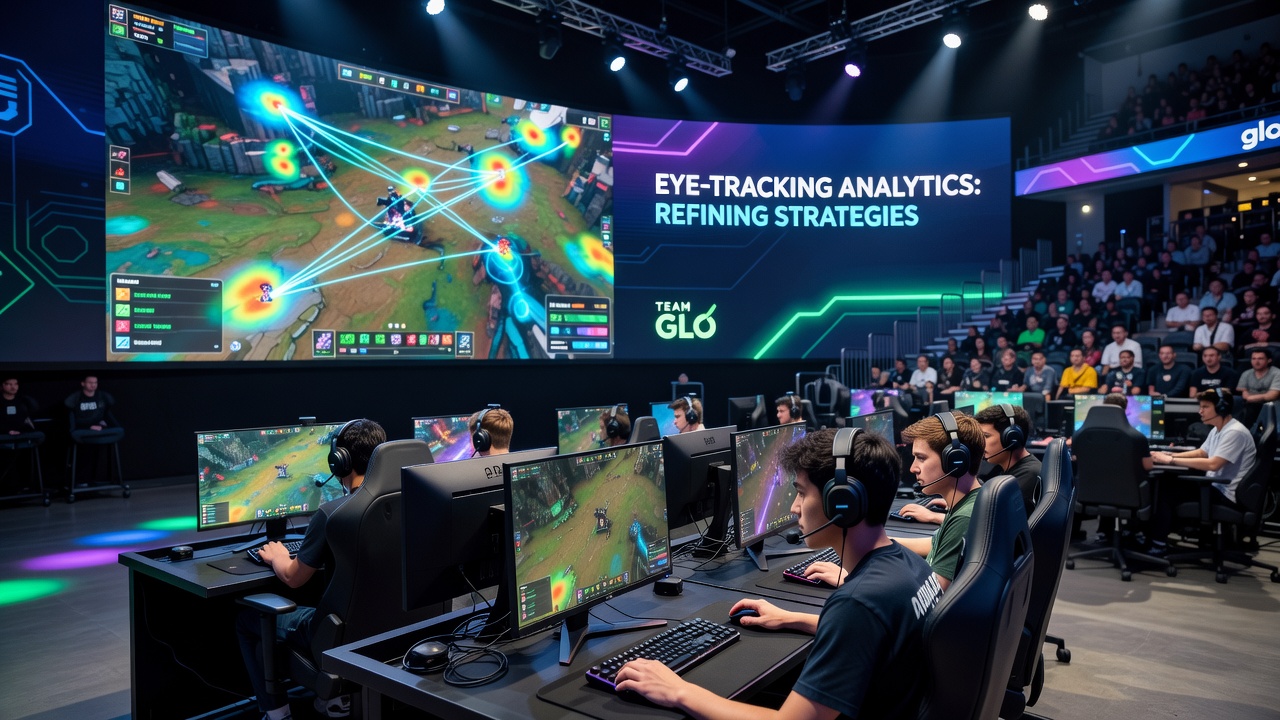
Coaching staff combine gaze logs with positional telemetry from in-game APIs to build comprehensive player profiles updated after every scrimmage block. These profiles help identify when fatigue begins to affect visual scanning efficiency during long tournament days. Training regimens now incorporate deliberate exercises that encourage wider attention distribution rather than tunnel vision during high-pressure scenarios.
Enhancing Broadcast Overlays for Worldwide Viewers
Production teams integrate processed gaze data into on-screen graphics that appear during key moments of matches streamed to platforms reaching millions of concurrent viewers. Heatmap visualizations fade in and out to highlight where professional players direct their focus during clutch situations without obscuring the main action feed. Broadcasters in North America and Asia have adopted similar overlay templates that update dynamically based on the current game state and player camera angles.
Viewer engagement metrics tracked by streaming services show increased retention when these visual elements appear at measured intervals rather than continuously. Production directors balance information density by limiting overlay duration to five-second bursts synchronized with commentator cues. This approach maintains accessibility for casual audiences while providing deeper insights for dedicated followers who follow competitive scenes closely.
Global Reach and Cross-Regional Implementation Trends
International events scheduled through late 2026 have begun requiring standardized data formats for eye-tracking outputs so that regional productions can incorporate the same visual assets regardless of venue location. Partnerships between hardware providers and tournament organizers ensure consistent calibration protocols across continents. European regulatory frameworks around biometric data collection have prompted the development of consent procedures that protect player privacy while still allowing aggregate analysis for broadcast and strategy purposes.
Australian and South Korean leagues have led early experimentation with audience-facing dashboards that display simplified gaze statistics alongside traditional performance graphs. These additions appear during post-match breakdowns and contribute to extended watch times reported by platform analytics.
Conclusion
Eye-tracking applications continue to expand within esports infrastructure as both competitive teams and broadcast productions refine their use of the captured information. Continued hardware improvements and data processing advancements support wider implementation across additional game genres and regional circuits through the remainder of 2026 and beyond. The combination of internal strategy refinement and external viewer enhancements creates measurable value that organizations track through performance records and audience statistics.