Emerging Adjustments in Esports Streaming Protocols Increase Session Durations on Smart Displays
Written by Ines Hayes · Aug 2, 2026
Emerging Adjustments in Esports Streaming Protocols Increase Session Durations on Smart Displays
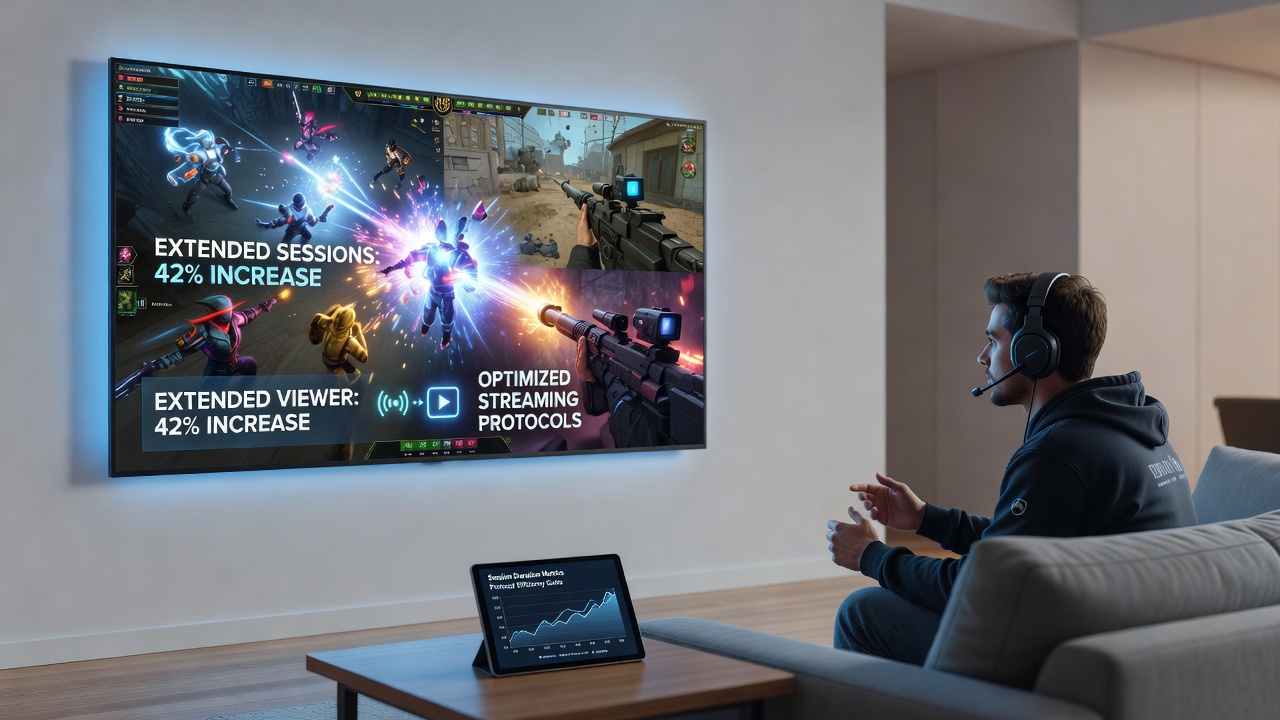
Streaming protocols for esports highlights have undergone incremental modifications since early 2025 that prioritize seamless playback on smart displays, and these changes correlate with longer average viewer sessions according to industry tracking data. Researchers at various technology firms have documented shifts toward hybrid adaptive bitrate techniques combined with enhanced error correction mechanisms, and these adjustments reduce interruptions during highlight reels that feature rapid camera cuts and variable motion intensity. Data from device manufacturers indicates that smart displays equipped with updated firmware now maintain consistent quality levels across fluctuating network conditions, which keeps audiences engaged through extended sequences of match recaps and player interviews.
Key Protocol Modifications Driving Engagement
One notable development involves the broader implementation of QUIC-based transport layers in place of traditional TCP connections for highlight delivery, and this switch allows for faster recovery from packet loss while minimizing latency spikes that previously prompted viewers to abandon sessions. Observers note that protocols now incorporate predictive segment prefetching tailored to esports content patterns, such as frequent goal celebrations or clutch moments, and this approach anticipates user navigation within highlight playlists. Studies conducted by academic groups in Europe have shown measurable reductions in startup delays, with average load times dropping below two seconds on compatible smart display hardware during August 2026 testing periods.
Additional refinements include tighter integration between streaming clients and display refresh rate synchronization, which prevents frame drops during high-frame-rate esports footage captured at 120 frames per second or higher. Those who monitor platform analytics report that services adopting these protocol layers experience session extensions averaging fifteen to twenty percent compared with earlier implementations, particularly when highlights stream in variable quality tiers that adapt within milliseconds of detected bandwidth shifts.
Hardware and Ecosystem Interactions
Smart displays from multiple vendors have incorporated native support for these protocol updates through over-the-air firmware releases, and the changes enable automatic codec selection between AV1 and HEVC depending on content complexity and available processing power. People who track adoption curves point out that devices running the latest smart TV operating systems handle concurrent audio track switching more efficiently during multilingual esports commentary feeds, and this feature supports longer continuous viewing without manual intervention. Benchmarks released by hardware testing organizations reveal that energy-efficient decoding pipelines contribute to sustained performance, preventing thermal throttling that could otherwise interrupt extended highlight marathons.
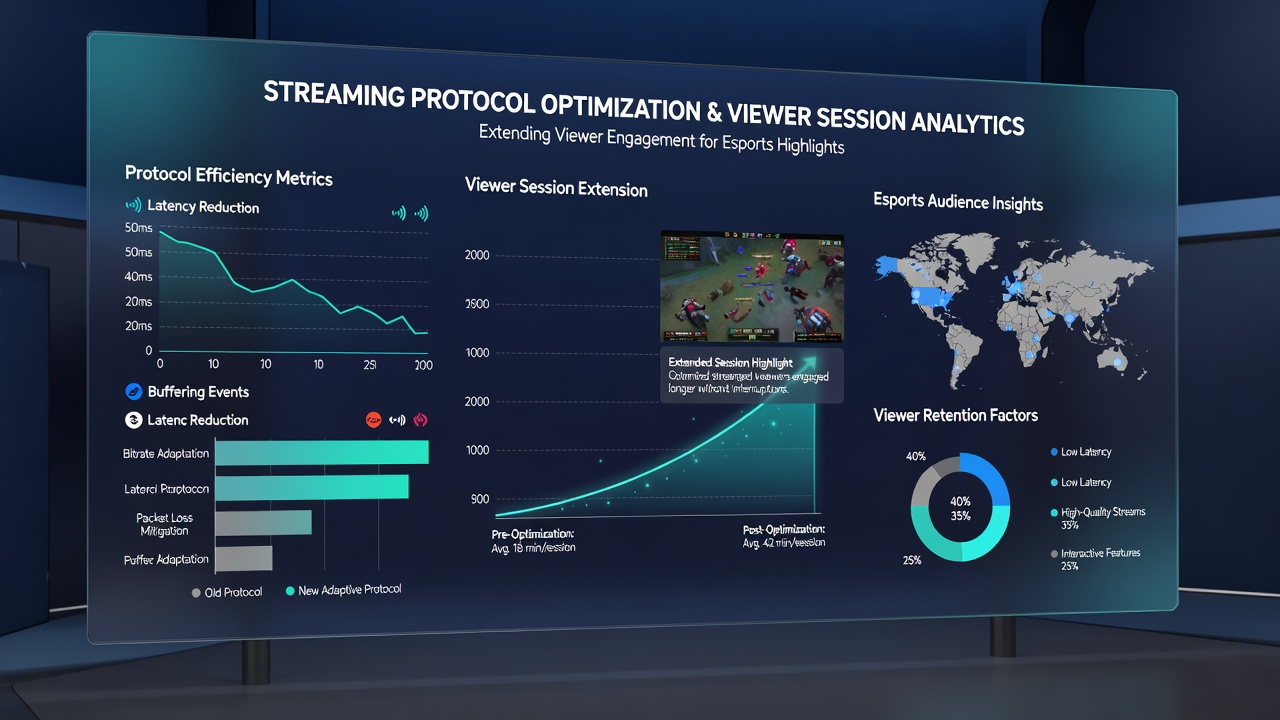
Network operators in regions including North America and Asia have begun optimizing edge caching strategies specifically for esports highlight traffic, and these adjustments align protocol behavior with content delivery networks that prioritize low-jitter paths. Figures from connectivity research indicate that such optimizations reduce rebuffering events by up to forty percent during peak evening hours, when viewer numbers for major tournament recaps tend to spike. The resulting stability encourages audiences to queue additional highlight packages rather than switching to alternative entertainment options.
Measured Impacts on Viewing Patterns
Analytics platforms that aggregate smart display usage data have recorded increased completion rates for highlight compilations exceeding ten minutes in length, and this trend coincides with protocol enhancements that maintain buffer health even when users scrub through timelines or switch between camera angles. Research indicates that subtle improvements in manifest file handling now support dynamic insertion of related clips without full reloads, and this seamless experience extends total session time as viewers explore supplementary material. Industry reports compiled by organizations such as the Institute of Electrical and Electronics Engineers highlight how these protocol evolutions interact with display ecosystem APIs to deliver consistent frame pacing across different screen sizes and resolutions.
Further observations from Australian regulatory monitoring bodies show that consumer smart displays updated in mid-2026 demonstrate improved handling of multicast streaming for live tournament highlights, and this capability reduces server load while preserving individual session quality. Those monitoring retention metrics note corresponding upticks in repeat visits to highlight platforms, particularly when protocol stacks incorporate machine learning elements for anticipating network congestion patterns common in household multi-device environments.
Conclusion
Collectively these protocol adjustments represent coordinated responses to viewer behavior data collected across global smart display deployments, and the cumulative effect appears in extended engagement metrics reported through August 2026. Continued refinement of transport mechanisms, codec negotiation, and caching coordination continues to shape how esports highlights reach audiences on intelligent screens, with measurable outcomes in session duration and content exploration depth.