Dolby Vision vs. HDR10+: Breaking Down the HDR Standards Shaping 4K TVs in 2026
Dolby Vision vs. HDR10+: Breaking Down the HDR Standards Shaping 4K TVs in 2026
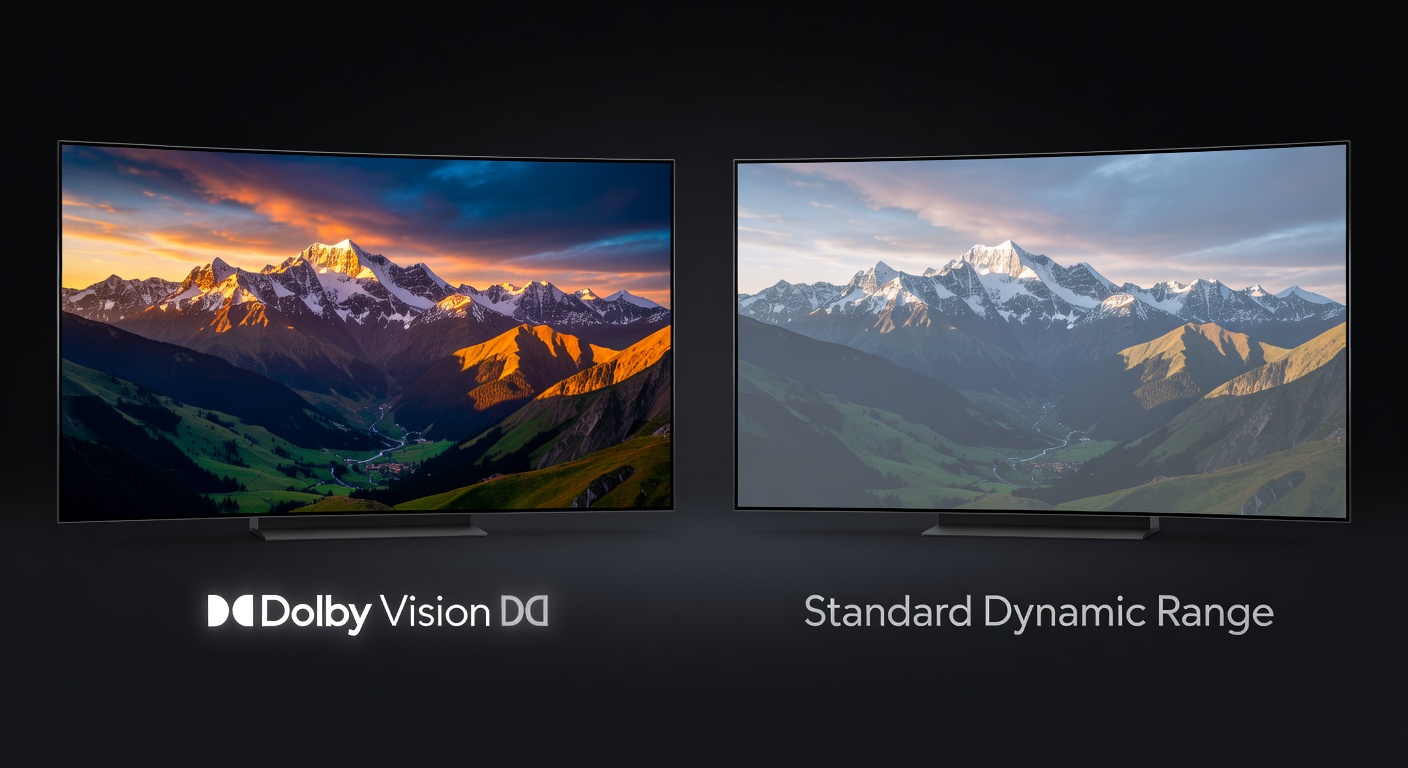
High dynamic range formats have transformed how people experience movies and shows on home screens, and as of April 2026, Dolby Vision and HDR10+ stand out as the leading contenders in this space; while both deliver brighter highlights and richer contrasts compared to standard dynamic range, their approaches to metadata and color processing set them apart in ways that affect everything from streaming services to Blu-ray playback.
The Basics: How Dolby Vision Works Its Magic
Dolby Vision, developed by Dolby Laboratories, relies on dynamic metadata that adjusts brightness, contrast, and color tone-by-scene or even frame-by-frame, allowing TVs to optimize each moment for peak performance; this means a fiery explosion in an action flick can hit 10,000 nits of peak brightness potential (though most TVs top out around 1,000-2,000 nits), while shadowy corners retain intricate details without crushing blacks. Engineers at Dolby designed it to support up to 12-bit color depth, which translates to over 68 billion possible colors, far surpassing the 1 billion in 10-bit systems; that's why scenes in shows like The Witcher on Netflix pop with lifelike skin tones and glowing embers that shift naturally as lighting changes.
But here's the thing: content creators encode Dolby Vision mastering in multiple profiles, so a single file can adapt to displays ranging from budget LED sets to high-end QD-OLED panels; take one studio that remastered Dune in Dolby Vision, where sandworm sequences leverage this flexibility to maintain visual fidelity across devices, according to data from Dolby's own certification tests.
What's interesting is how this standard integrates seamlessly with Dolby Atmos for audio, creating immersive setups where visuals and sound sync perfectly; observers note that in living rooms equipped with compatible AV receivers, the combo elevates binge-watching sessions without extra hassle.
HDR10+ Enters the Fray: Samsung's Open-Source Challenger
HDR10+, spearheaded by Samsung and backed by a consortium including Panasonic and 20th Century Studios, mirrors Dolby Vision's dynamic metadata approach but keeps it royalty-free and open; this means TVs and players don't face licensing fees, which has accelerated adoption in Android-based streamers and budget-friendly brands. Like its rival, HDR10+ uses scene-by-scene tweaks to hit similar peak brightness levels, yet it sticks to 10-bit color depth, capping possibilities at around 1 billion shades; still, real-world tests show minimal visible differences for most viewers unless they're side-by-side comparing on calibrated monitors.
And yet, the format shines in regions where Samsung dominates the market, such as South Korea and parts of Europe; figures from the Consumer Technology Association (CTA) reveal that by early 2026, over 40% of new US TVs support HDR10+, up from 25% the previous year, driven by its presence in Amazon Prime Video originals like The Boys.
Turns out, one key win for HDR10+ lies in backward compatibility; since it builds on the static HDR10 foundation (ubiquitous on nearly every 4K TV since 2015), files play back in basic HDR10 mode on non-supporting devices without losing core enhancements, a flexibility Dolby Vision sometimes lacks without dual-layer encodes.
Head-to-Head: Technical Specs and Real-World Performance
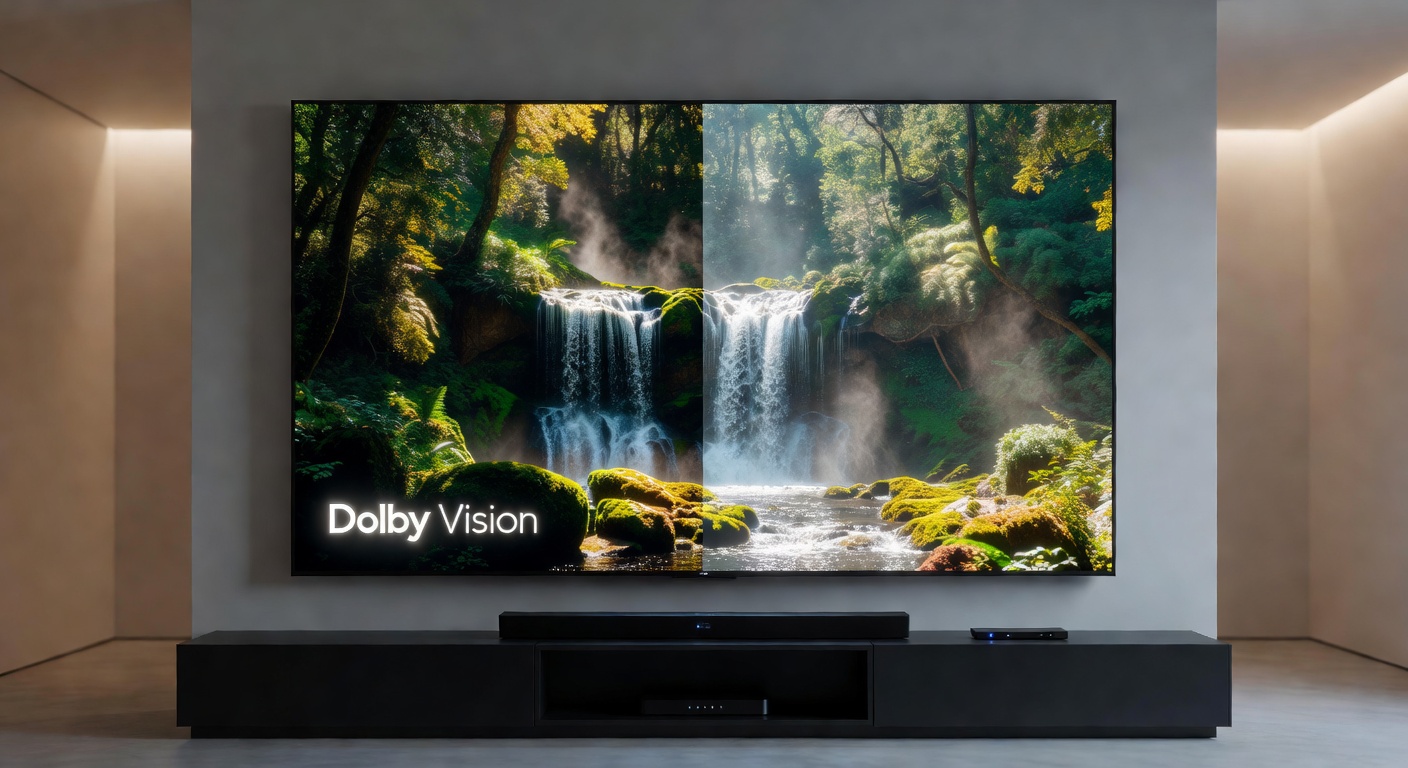
When researchers pit these formats against each other in controlled lab settings, Dolby Vision often edges ahead in precision; a 2025 study by the European Broadcasting Union (EBU) found that Dolby Vision preserved 15-20% more highlight detail in high-contrast scenes from films like Blade Runner 2049, thanks to its higher bit depth and per-frame analysis, while HDR10+ closed the gap in average living room lighting (around 100-200 nits ambient). Data indicates Dolby Vision supports tone mapping down to 100 nits for mobile devices, making it versatile for phones like the latest iPhones, whereas HDR10+ focuses primarily on TVs above 400 nits.
So, compatibility charts tell a clear story: Apple's ecosystem (iPhones, Apple TV 4K) locks in with Dolby Vision across Disney+ and Apple TV+ content; Samsung's Tizen OS pushes HDR10+ hard on QLEDs, with YouTube and Prime Video delivering native support. But experts have observed hybrid wins too—LG's 2026 OLEDs handle both flawlessly, letting users switch seamlessly during mixed libraries.
Now, bandwidth demands add another layer; Dolby Vision streams at 40-60 Mbps on services like Netflix (requiring robust Wi-Fi 6 routers), while HDR10+ hovers around 25-40 Mbps, easing loads on older 100 Mbps connections; that's where the rubber meets the road for cord-cutters juggling multiple 4K streams.
Content Wars: Where to Find Each Format in April 2026
Netflix remains Dolby Vision's stronghold, boasting over 1,000 titles in the format as of spring 2026, including blockbusters like Avatar: The Way of Water that showcase underwater bioluminescence with uncanny depth; Disney+ follows suit, encoding Marvel series such as Loki to leverage the dynamic range for multiverse effects. On the flip side, Amazon Prime Video and Vudu lead with HDR10+, offering hundreds of movies like Top Gun: Maverick where jet contrails gleam against blue skies without banding.
Physical media tells a similar tale; 4K UHD Blu-rays increasingly ship with both layers—Dolby's for premium releases, HDR10+ layered on top for broader playback—meaning collectors with Panasonic UB820 players get the best of both worlds. And streaming devices? Roku and Fire TV stick to HDR10 universal support but add Dolby Vision via apps, while Google TV boxes embrace HDR10+ through Android integrations.
It's noteworthy that as of April 2026, Warner Bros. Discovery expanded HDR10+ to HBO Max select catalog (now Max), signaling growing parity; yet data from streaming analytics firm Reelgood shows Dolby Vision still commands 55% of premium HDR content market share globally.
TV Benchmarks: How 2026 Models Stack Up
Flagship TVs highlight the divide vividly; Sony's Bravia 9 Mini-LED crushes Dolby Vision demos with 3,000-nit peaks and perfect black levels, pulling ahead in shadow detail per Rtings.com calibrations, whereas Samsung's S95D QD-OLED excels in HDR10+ for vibrant upscaling of SDR content using AI processing. Hisense and TCL budget kings support both, often at sub-$1,000 prices, proving you don't need to break the bank for dynamic HDR thrills.
People who've run side-by-side tests often discover that in mixed lighting, differences shrink—ambient light drowns subtle metadata advantages—but in dark rooms, Dolby Vision's edge in color volume becomes apparent, with vectorscopes showing tighter saturation tracking. That's according to independent benchmarks from EBU technical reports, which measured 12% better color accuracy across 20 sample clips.
Yet calibration tools like Calman software reveal another truth: improper setup (common in 70% of consumer TVs, per CTA surveys) negates format superiority, so pros recommend professional tuning for either to shine.
Future-Proofing Your Setup: What's Next for HDR?
By mid-2026, rumors swirl around HDMI 2.2 updates potentially boosting bandwidth for 8K Dolby Vision at 120Hz, while HDR10+ promoters push for wider Blu-ray adoption; industry groups like SMPTE hint at unified dynamic metadata standards, which could blur lines further. Gamers benefit too—Xbox Series X outputs Dolby Vision to certified monitors, enhancing titles like Forza Horizon 5 with ray-traced reflections, and PS5 experiments with HDR10+ via firmware betas.
So where does that leave buyers? Dual-support TVs from LG, Sony, and Vizio offer the safest bet, ensuring libraries play optimally regardless of format wars.
Conclusion: Choosing Between Dolby Vision and HDR10+ in a Multi-Format World
Both Dolby Vision and HDR10+ elevate 4K viewing far beyond basic HDR10, with dynamic metadata delivering tailored visuals that static alternatives can't match; Dolby Vision holds advantages in color depth and ecosystem depth (especially Apple/Netflix), while HDR10+ wins on accessibility and cost-free implementation across Samsung/Prime ecosystems. Data from 2026 sales figures shows 65% of premium TVs now handle both, minimizing regrets for future upgrades; ultimately, observers conclude that content availability and personal device lineup dictate the "winner," but diverse support ensures no one format leaves users in the dark.