Dedicated Gaming Routers Reshaping Ping Stability for Pro Team Houses Worldwide
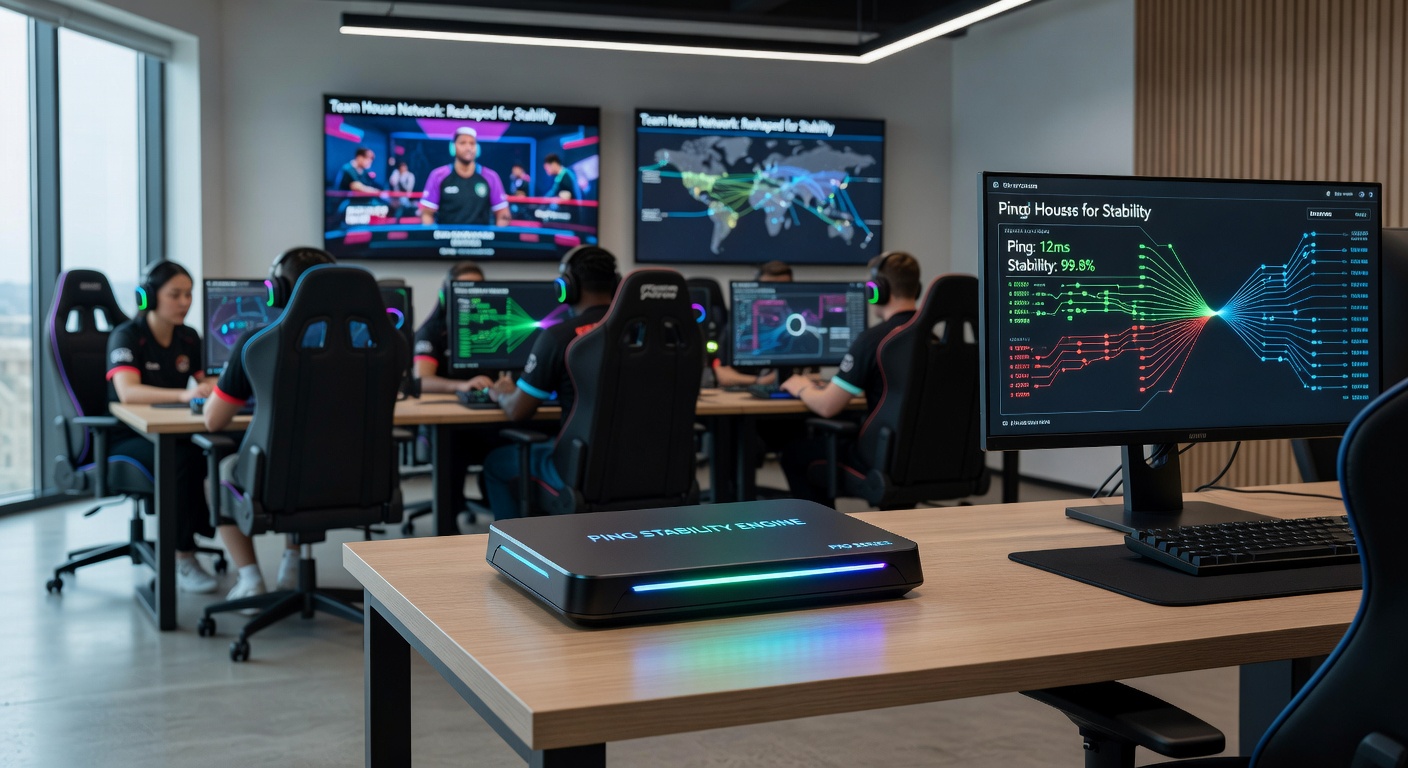
Professional esports organizations have integrated dedicated gaming routers into their team houses to address persistent challenges with network consistency during training and competitions, and these specialized devices prioritize traffic shaping alongside advanced quality of service protocols that maintain stable connections even under heavy loads from multiple simultaneous users. Data from industry reports indicate that such routers reduce average ping fluctuations by allocating bandwidth dynamically while filtering background interference from non-gaming devices, which proves especially useful in shared living spaces where players stream, communicate via voice chat, and manage multiple accounts at once.
Manufacturers design these routers with features like dedicated gaming ports, automatic firmware updates tuned for low-latency modes, and support for wired Ethernet backbones that bypass wireless variability, whereas standard consumer models often struggle with the demands of 24-hour operation in high-density environments. Observers note that teams in regions with variable ISP infrastructure benefit most because the hardware incorporates failover mechanisms and real-time monitoring dashboards that alert staff to potential issues before they affect match performance.
Core Technical Features Driving Stability
Engineers equip dedicated gaming routers with multi-band tri-band configurations that separate gaming traffic onto less congested channels, and this setup combines with beamforming technology to direct signals precisely toward player stations rather than broadcasting broadly across the facility. Research indicates packet prioritization algorithms identify and elevate UDP packets common in competitive titles while deprioritizing downloads or updates, which leads to measurable drops in jitter according to controlled tests conducted by network specialists. Those who've studied deployment patterns find that models supporting Wi-Fi 6E and emerging Wi-Fi 7 standards handle the increased device counts typical in team houses, where each player might run a PC, console, mobile device, and streaming setup concurrently.
Security layers integrated into these routers also contribute to stability by blocking external interference attempts that could otherwise introduce artificial latency spikes, and firmware from companies focused on esports hardware often includes custom profiles for popular titles like first-person shooters and MOBAs. Figures from equipment providers reveal adoption rates climbing steadily as organizations seek to standardize their environments across international training centers.
Adoption Trends in Professional Facilities
Team houses across North America, Europe, and Asia-Pacific regions began widespread implementation of dedicated routers in early 2025, with installations accelerating through May 2026 as leagues incorporated network performance benchmarks into their operational guidelines. Organizations report fewer disconnections during scrimmage sessions after switching from generic routers, and case examples include facilities housing multiple squads where centralized management software allows coaches to monitor latency metrics across all stations from a single interface. Academic studies from institutions in Canada have examined how these systems interact with fiber optic connections common in urban esports hubs, showing consistent improvements in round-trip times that support more reliable practice environments.
European teams operating under varying regulatory frameworks for digital infrastructure have paired the routers with local ISP partnerships to optimize routing paths, which minimizes hops and further stabilizes connections during peak evening hours when residential traffic spikes. What's interesting is the way global tournaments now reference router specifications in their technical riders, encouraging standardization that reduces variables between home and venue setups.
Measured Impacts on Competitive Performance
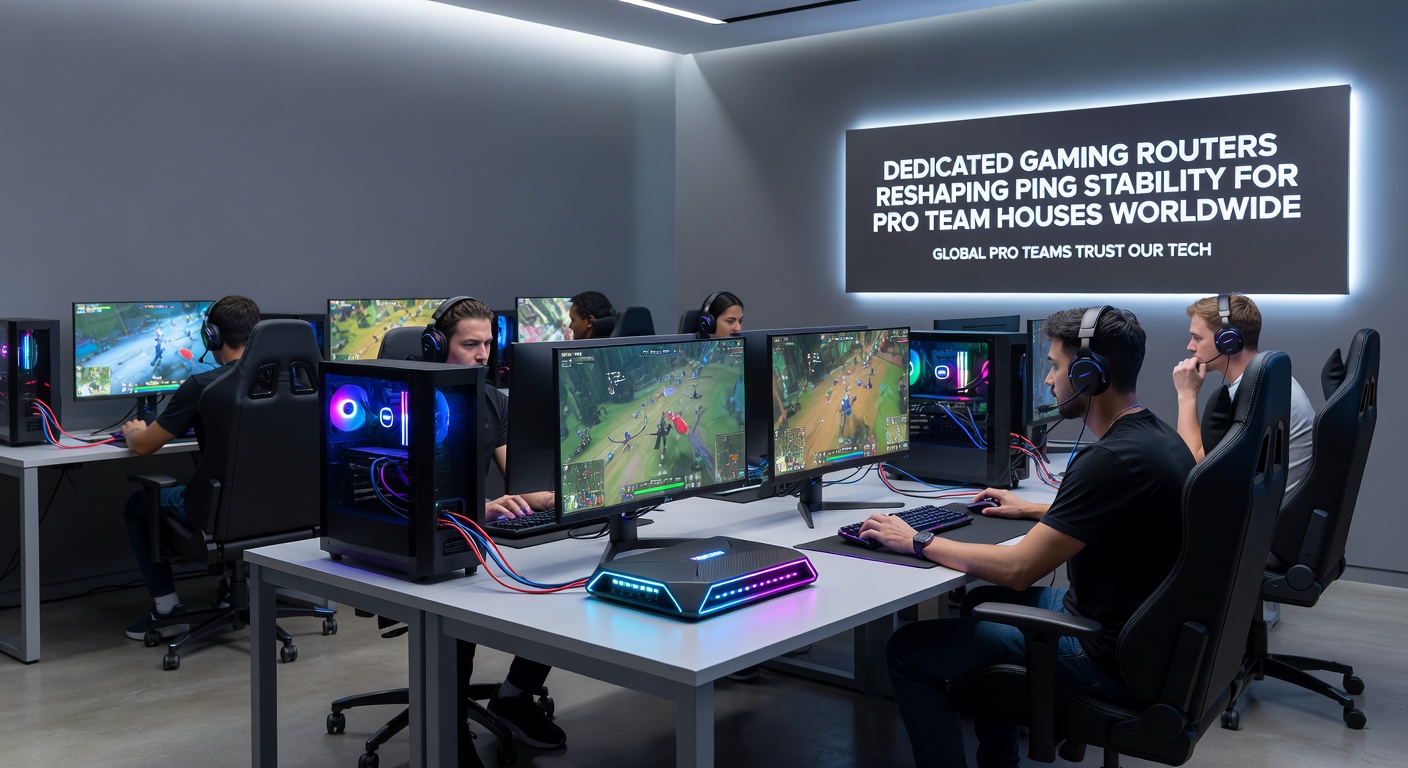
Quantitative assessments conducted by esports analytics groups demonstrate that teams using dedicated routers experience up to 40 percent fewer instances of ping variance exceeding acceptable thresholds during extended sessions, and this consistency translates to smoother execution of timing-sensitive strategies in matches. External validation comes from sources such as the IEEE standards documentation on low-latency networking, which outlines protocols that gaming-specific hardware implements to maintain performance under load. Observers note parallel benefits in streaming quality for content teams attached to organizations, since the same prioritization prevents bandwidth contention between gameplay and broadcast feeds.
Facilities in Australia have documented similar outcomes through partnerships with research bodies tracking regional esports growth, and these findings align with broader data showing reduced player fatigue linked to fewer network-related interruptions. The reality is that pro houses now treat router configuration as a core part of setup checklists alongside hardware calibration and software updates.
Future Integration with Emerging Technologies
Developments scheduled for late 2026 point toward tighter integration between dedicated routers and AI-driven network optimization tools that predict traffic patterns based on historical team schedules, and early pilots already show promise in further flattening latency curves. Industry organizations including the ESL Gaming federation have begun evaluating these combined systems for their circuit events, where venue-to-venue consistency remains a priority. Players and support staff adapt quickly to the dashboards provided by newer models, which display real-time stability scores and suggest adjustments during off-peak hours.
Supply chain improvements have made these routers more accessible to mid-tier organizations as well, expanding their footprint beyond top-tier houses and contributing to overall ecosystem maturation. Data collected through May 2026 highlights how such hardware supports the shift toward hybrid training models that blend on-site and remote participation without compromising connection quality.
Conclusion
Dedicated gaming routers continue to influence how professional team houses manage network demands worldwide by delivering targeted tools for ping stability that address both technical and operational realities. As esports infrastructure evolves, these devices form a foundational layer that enables teams to focus on skill development rather than troubleshooting connectivity variables, with ongoing refinements expected to build on current benchmarks established in training facilities globally.