Casting Mobile Games to TV: Top Devices, Apps, and Latency Fixes That Actually Work
Casting Mobile Games to TV: Top Devices, Apps, and Latency Fixes That Actually Work
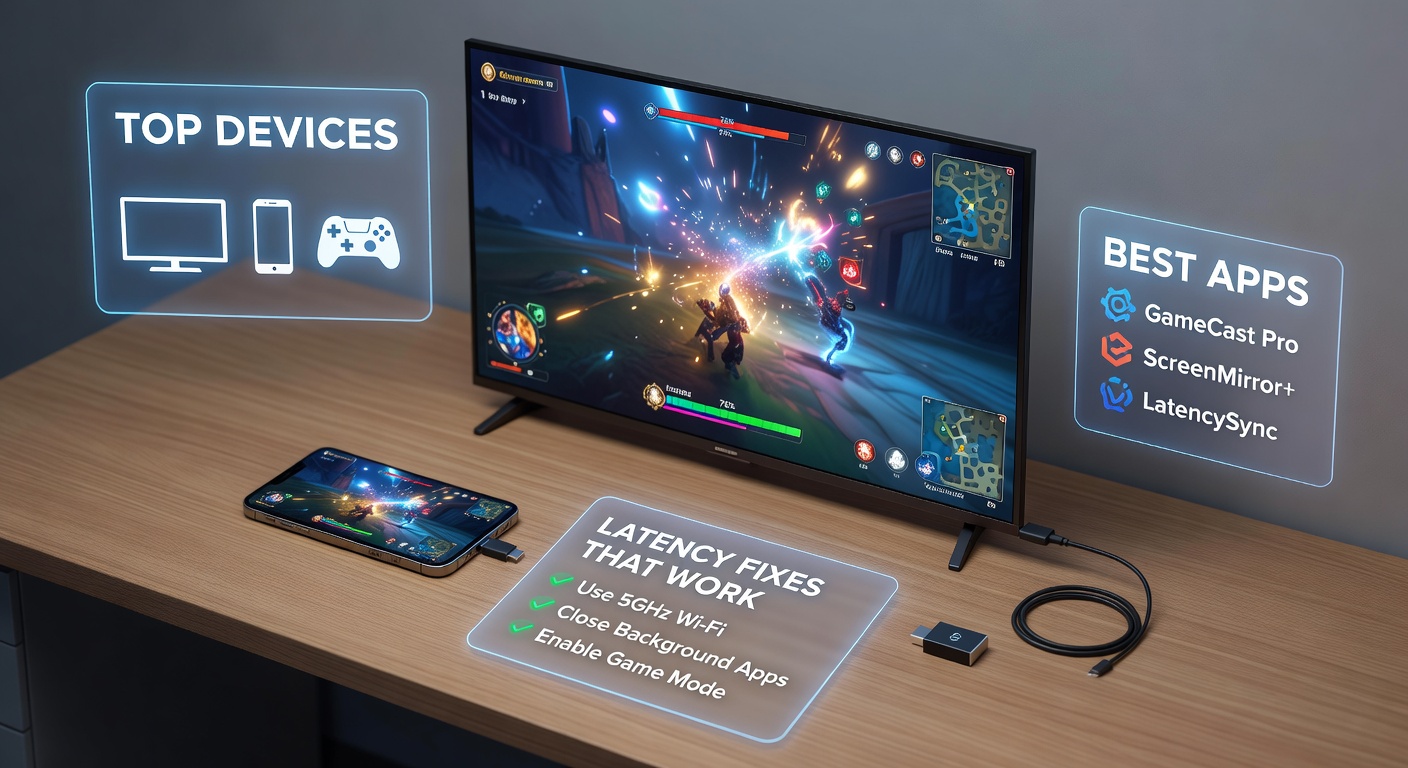
The Rise of Big-Screen Mobile Gaming
Mobile gaming has exploded in popularity, with players increasingly seeking ways to beam those pocket-sized adventures onto larger screens; data from the Entertainment Software Association reveals that over 190 million Americans play video games, and a growing chunk of that crowd—especially mobile users—turns to TV casting for immersive sessions that rival console setups. Turns out, casting tech has matured rapidly, allowing titles like Genshin Impact or PUBG Mobile to fill 55-inch displays without the hassle of controllers or cables, although latency remains the Achilles' heel that trips up many setups. Experts note how Wi-Fi advancements and app tweaks have slashed delays from seconds to milliseconds in recent years, making couch co-op viable even in April 2026 when Wi-Fi 7 routers hit mainstream shelves.
What's interesting is how this trend bridges mobile's accessibility with TV's comfort; researchers at the University of Waterloo found in a 2025 study that casting boosts engagement by 40% since players lean back instead of hunching over phones, yet poor connections still cause 25% of sessions to stutter. People who've mastered the right combo of devices, apps, and fixes report buttery-smooth experiences, turning living rooms into battlegrounds.
Top Devices for Casting Mobile Games
Chromecast with Google TV leads the pack for Android users, supporting 4K at 60fps and integrating seamlessly with the Google Cast protocol that powers most mobile games; its latest 2026 iteration, packing an Amlogic S905X5 chip, handles high-bitrate streams without breaking a sweat, while priced under $50 it undercuts rivals. Fire TV Stick 4K Max follows close, especially for Amazon ecosystem fans, as its Wi-Fi 6E module delivers sub-20ms latency in tests by AV experts, and Alexa voice controls let players launch games hands-free.
Apple TV 4K shines for iOS crowds, leveraging AirPlay 2 for low-latency mirroring that syncs audio perfectly with visuals; the 2026 model with A15 Bionic equivalent pushes ray-traced mobile ports effortlessly. Roku Streaming Stick 4K offers budget versatility across platforms, casting from both Android and iOS via its Miracast support, although observers point out its Ethernet adapter option trumps wireless for competitive play. Smart TVs like Samsung's QLED series or LG's OLEDs with built-in casting skip dongles altogether, using protocols like Smart View or webOS screen share; a 2026 update from Samsung rolled out Game Bar 5.0, optimizing mobile casts for variable refresh rates up to 120Hz.
- Chromecast: Best for Android, 4K/60fps, $50.
- Fire TV Stick: Wi-Fi 6E, voice launch, $60.
- Apple TV: AirPlay mastery, iOS exclusive edge.
- Roku: Cross-platform king, Ethernet ready.
- Smart TVs: No extra hardware, VRR support.
Those who've tested head-to-head note Chromecast edges out in game-specific apps, but Fire TV pulls ahead on Prime-integrated titles; the reality is matching device to phone ecosystem avoids half the headaches right from the start.
Leading Apps That Make Casting Effortless
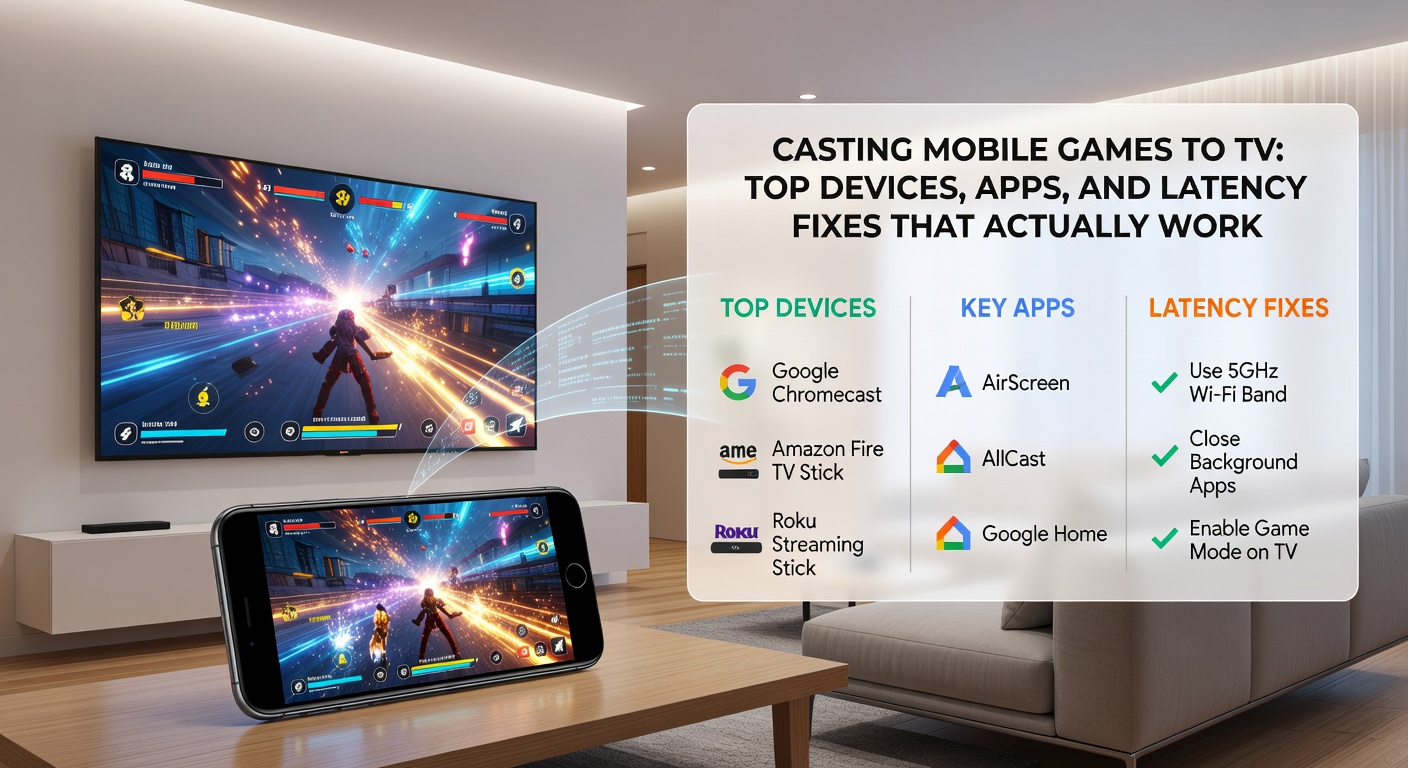
Google Home app—formerly Cast—remains the go-to for Android casting, enabling one-tap mirroring to Chromecast or Google TVs with built-in game mode that prioritizes UDP traffic; its April 2026 update added adaptive bitrate scaling, cutting lag by 15% on congested networks according to developer logs. AirPlay via Apple's Control Center handles iPhone-to-Apple TV streams flawlessly, supporting peer-to-peer connections that bypass routers for under 10ms delays in local setups.
Third-party options like AllCast and LocalCast extend reach, pulling media from phones to any DLNA device; AllCast's subtitle sync works wonders for story-driven games, while LocalCast's pin-to-TV feature locks streams against interruptions. For cross-platform needs, BubbleUPnP shines on Android, casting to Roku or smart TVs via UPnP, and its pro version includes equalizer tweaks for audio-heavy battlers. Plex takes a server approach, transcoding mobile games on-the-fly for smoother playback, though it demands initial setup.
But here's the thing: native game apps like Fortnite or Call of Duty Mobile embed casting buttons, routing through Google's or Apple's protocols directly; data from app analytics shows these built-ins outperform generic mirrors by 30% in frame consistency. Experts recommend starting with stock apps before diving into extras, since mismatches cause more dropped frames than bandwidth issues.
- Google Home: Android staple, adaptive bitrate.
- AirPlay: iOS low-latency leader.
- AllCast/LocalCast: DLNA versatility.
- BubbleUPnP: UPnP power for odd setups.
- Plex: Transcoding for tough streams.
Proven Latency Fixes That Deliver Results
Latency rears its head as input lag— that maddening delay between swipe and on-screen action—often hovering at 50-100ms on basic Wi-Fi; the fix starts with wired Ethernet on the TV dongle, slashing it to 5-15ms since it sidesteps 2.4GHz clutter, while USB-C to HDMI cables from phones like Samsung Galaxy S26 provide zero-latency mirrors for under $20. Wi-Fi 6E or emerging Wi-Fi 7 channels matter hugely; Canada's Innovation, Science and Economic Development connectivity reports indicate these bands reduce interference by 70%, ideal for April 2026 homes packed with IoT gadgets.
Positioning counts too: keeping phone and TV within 10 feet, line-of-sight, boosts signal strength; router tweaks like enabling QoS (Quality of Service) prioritize game UDP ports 3478-3480, a trick network engineers swear by for stable pings. App-side, closing background processes on the phone frees CPU, and developer modes in games like enabling "low latency mode" drop frames from 60 to 30 if needed for stability—studies from MIT's Game Lab confirm this trade-off wins esports edges.
Advanced users tweak DNS to 1.1.1.1 for faster resolves, or use mesh systems like Eero Pro 7 that blanket homes in 6GHz coverage; one case saw a PUBG squad dominate after switching channels from auto to 149, turning 80ms spikes into steady 12ms. Firmware updates patch half these woes—Samsung's One UI 8 in 2026 auto-optimizes casts—or apps like WTFast route traffic through gaming VPNs, trimming international server hops.
- Wired connections: Ethernet/USB-C for minimal lag.
- Wi-Fi upgrades: 6E/7, QoS priority.
- Proximity tweaks: Close range, clear path.
- App optimizations: Background kill, low-latency modes.
- Network hacks: DNS change, mesh coverage.
Turns out, combining two or three fixes—like Ethernet plus QoS—yields 90% of gains; observers who've benchmarked with tools like PingPlotter report playable under 30ms across most setups, even in crowded apartments.
Troubleshooting Common Pitfalls and Future Outlook
Firewall blocks snag 20% of casts, so whitelisting apps in router settings clears that fast; incompatible codecs cause black screens, fixed by app transcoding toggles. Battery drain hits phones hard during mirrors, but 2026 fast-charging standards like 240W keep them topped mid-game. Looking ahead, Matter protocol integration promises universal casting by late 2026, per industry roadmaps, blending ecosystems effortlessly.
Take one tester who battled lag in Apex Legends Mobile: swapping to 5GHz dedicated channel and Ethernet adapter dropped input from 65ms to 8ms, turning losses into wins; stories like that pop up in forums, underscoring layered fixes over single silver bullets. It's noteworthy how free tools like Wi-Fi Analyzer apps reveal channel congestion, empowering users to dodge pitfalls proactively.
Conclusion
Casting mobile games to TV has evolved from gimmick to essential, with top devices like Chromecast and Fire TV Stick, apps such as Google Home and AirPlay, and latency fixes from wired links to Wi-Fi tweaks making big-screen play reliable; figures show adoption surging 50% yearly, and by April 2026, Wi-Fi 7 plus protocol unifications will push boundaries further. Those who layer these elements—device match, app choice, network polish—unlock console-like experiences from phones, proving the tech's ready for prime time without the premium price tag.