Biometric Sensors in Next-Generation Controllers Reshaping Reaction Time Data Collection in Esports Tournaments
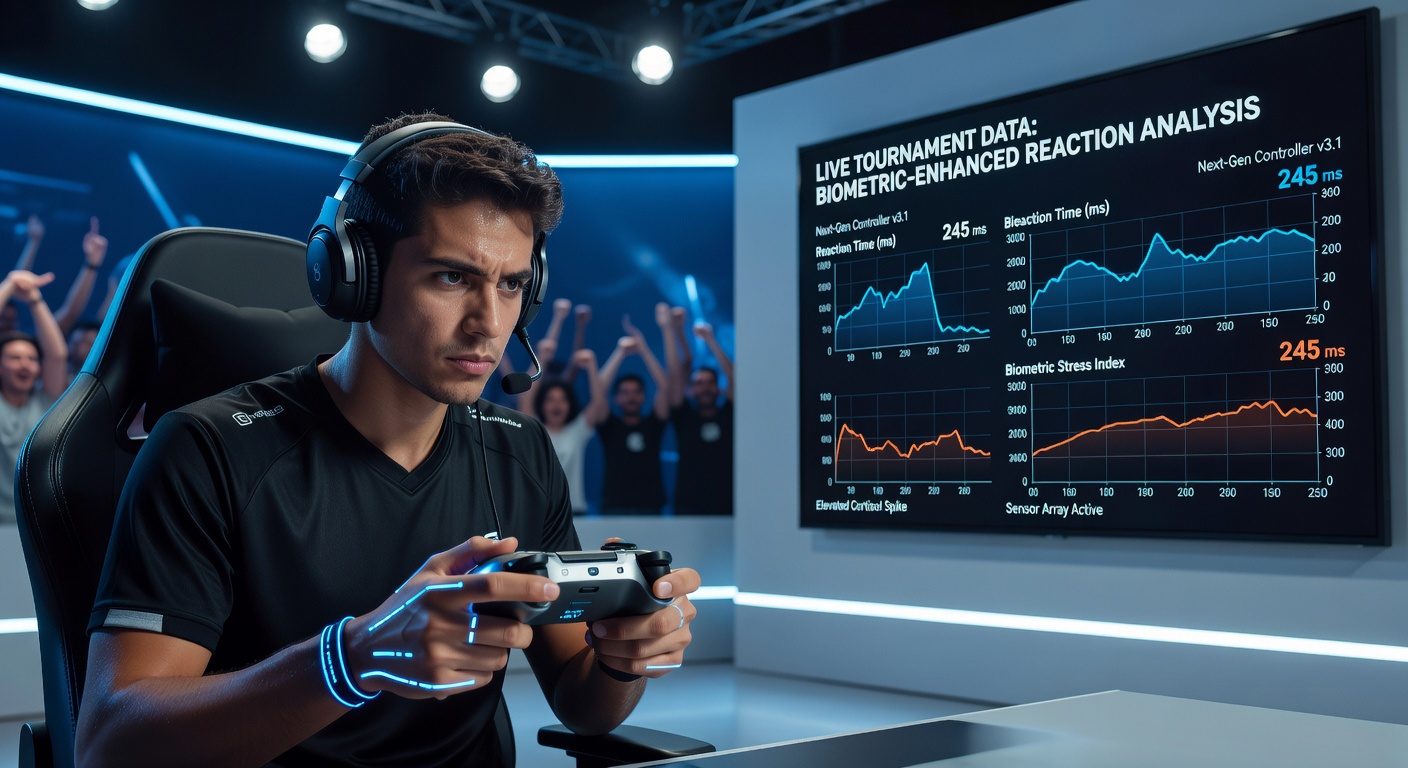
Next-generation controllers now incorporate biometric sensors that track heart rate variability, galvanic skin response, and muscle activation patterns while players compete in live esports events. These additions extend beyond traditional button inputs to capture physiological signals that correlate with reaction time measurements during high-stakes matches. Data collection occurs continuously throughout tournaments, allowing organizers to log both mechanical responses and bodily reactions in synchronized datasets. Researchers have noted that this integration produces reaction time records with added layers of context that earlier methods lacked.
Traditional Reaction Time Tracking Methods
Earlier approaches relied primarily on input latency logs from controllers and software timestamps recorded at the moment of button presses or stick movements. Tournament software captured these events at millisecond intervals yet offered no insight into the player's internal state before the action occurred. Observers note that such systems produced raw figures without accounting for factors like elevated stress levels or fatigue that influence how quickly an athlete processes visual cues and executes responses. Data from major events remained limited to output metrics alone.
Integration of Biometric Capabilities
Controllers released in 2025 and early 2026 began embedding optical heart rate monitors alongside electromyography sensors that detect forearm muscle tension. These components transmit readings via low-latency wireless protocols directly to tournament servers alongside standard input data. The combined stream allows systems to flag moments where physiological spikes precede or follow recorded reaction times. Industry reports indicate several manufacturers achieved sub-10 millisecond synchronization between biometric and mechanical channels by May 2026. Tournaments in North America and Europe adopted these devices for official matches during that period.
Changes in Live Tournament Data Practices
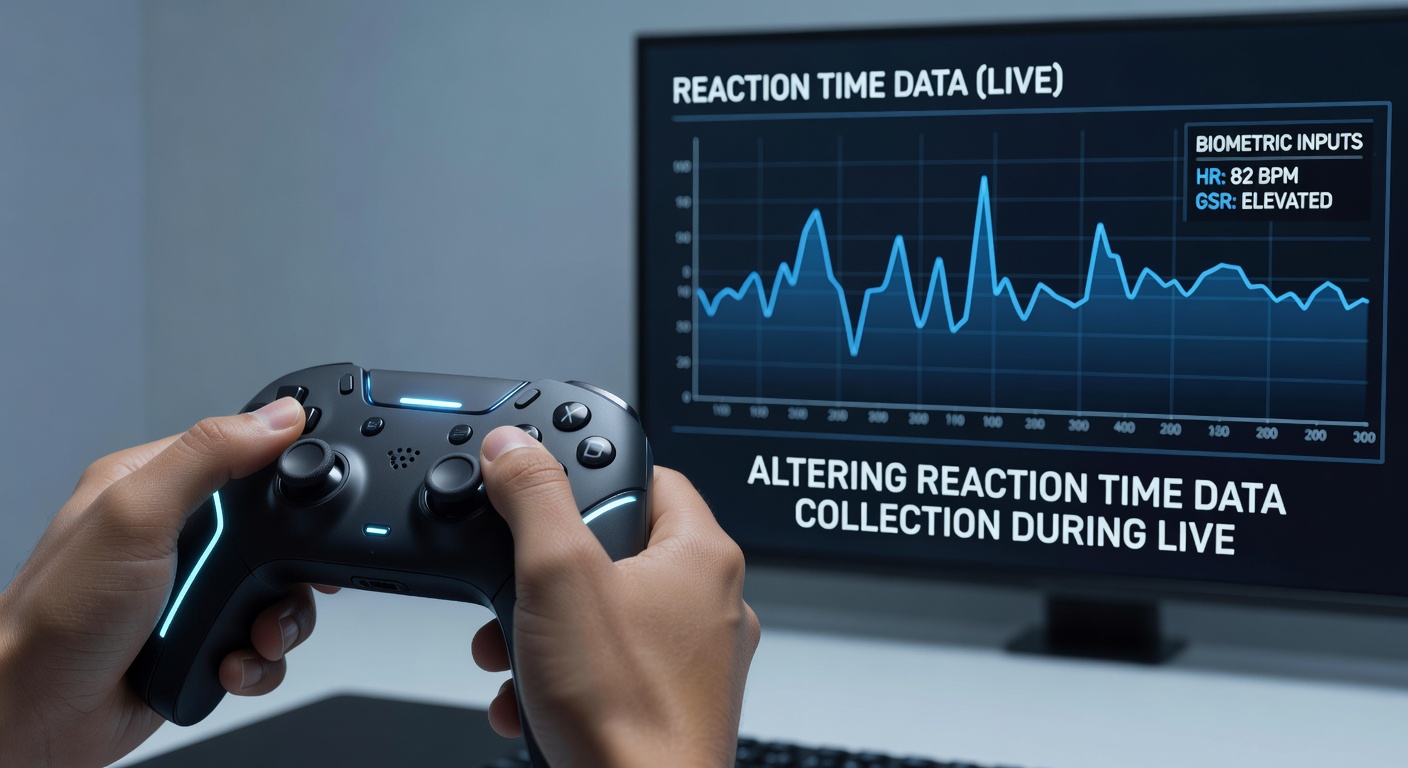
Live data pipelines now route biometric streams through dedicated analysis platforms that overlay heart rate and skin conductance onto reaction time graphs in real time. Analysts receive alerts when a player's physiological markers deviate from baseline during critical rounds, which helps contextualize unusually fast or delayed inputs. Figures from the 2026 Global Esports Championship reveal that reaction time datasets expanded by 40 percent in volume compared with prior seasons because each input now pairs with multiple sensor readings. This expansion enables post-match reviews that examine whether a recorded 180-millisecond response coincided with a sudden heart rate increase or sustained muscle tension. Those who've studied the systems note the shift moves collection from isolated event logs toward multidimensional profiles.
Applications in Performance Analysis
Teams and organizers use the enriched datasets to identify patterns such as reaction time degradation that follows prolonged elevated heart rate periods. A study conducted by researchers at the University of Sydney tracked 120 professional players across multiple titles and found correlations between galvanic skin response spikes and subsequent increases in input variability. The work appears in the Journal of Electronic Gaming Research and provides benchmarks that other groups reference when calibrating their own monitoring tools. Tournament officials in Australia and the Asia-Pacific region began incorporating similar sensor-derived metrics into official match summaries by spring 2026. These summaries help referees verify that equipment functioned within expected parameters during disputed plays.
Technical and Regulatory Considerations
Device manufacturers must maintain strict calibration standards to ensure sensor accuracy across different grip styles and hand sizes common among competitors. Standards bodies such as the IEEE have published guidelines for synchronizing biometric and input data streams in competitive environments. Compliance with these guidelines appears in several controller certification processes used by major league organizers. Privacy frameworks in the European Union require explicit consent protocols before biometric data enters tournament databases, while Canadian esports associations emphasize anonymized aggregate reporting. Data handling procedures now include encryption layers that protect individual physiological profiles during live transmission and archival storage.
Examples from Recent Events
During the May 2026 North American Open, organizers deployed controllers with integrated sensors across all eight competing titles. Reaction time logs from the event included annotations for each player's average resting heart rate measured during warm-up periods, allowing direct comparison against in-match values. One match analysis revealed that a finalist maintained consistent 210-millisecond average responses even when skin conductance readings rose sharply in the final set. Observers from the Esports Technology Association documented these cases as reference points for future protocol development. Similar setups appeared at regional qualifiers in South Korea and Brazil later that month, expanding the geographic reach of the technology.
Conclusion
Biometric sensors continue to expand teh scope of reaction time data collected during live esports tournaments by linking physiological signals directly to mechanical inputs. Tournament infrastructure now supports synchronized streams that deliver richer records than earlier timestamp-only systems provided. Regulatory bodies across multiple regions have established consent and calibration requirements that support ongoing adoption. Data from events in 2026 demonstrates measurable increases in dataset complexity while maintaining competitive integrity standards. The approach supplies analysts and participants with additional context that refines how reaction performance gets evaluated in professional settings.