Analyzing Synchronization Hurdles Between Wireless Earbud Ecosystems and Console Audio Outputs During Multi-Player Living Room Sessions
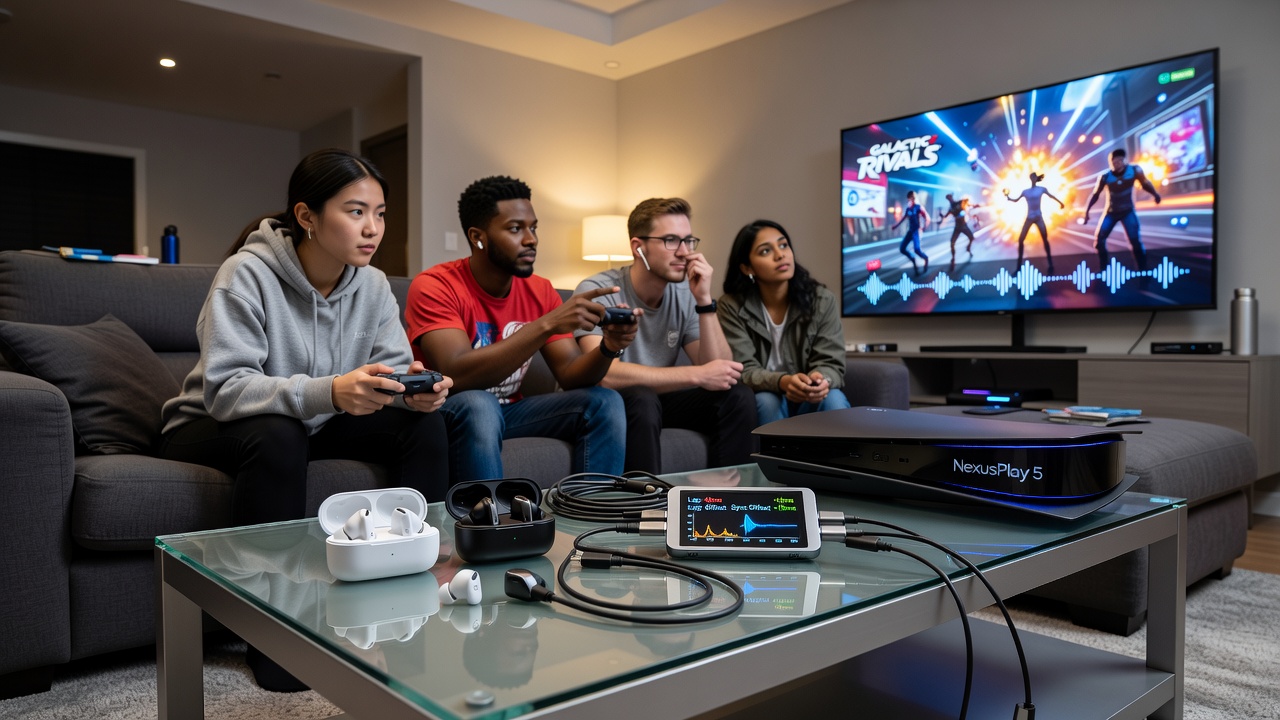
Wireless earbud ecosystems continue to expand their presence in living room gaming environments as players seek private audio without disturbing others during group sessions on consoles. Research from the Consumer Technology Association indicates that Bluetooth audio latency remains a persistent factor when earbuds interface with console outputs through built-in transmitters or third-party adapters, and this becomes especially noticeable when multiple users connect simultaneously in shared spaces.
Core Technical Factors Behind Audio Sync Issues
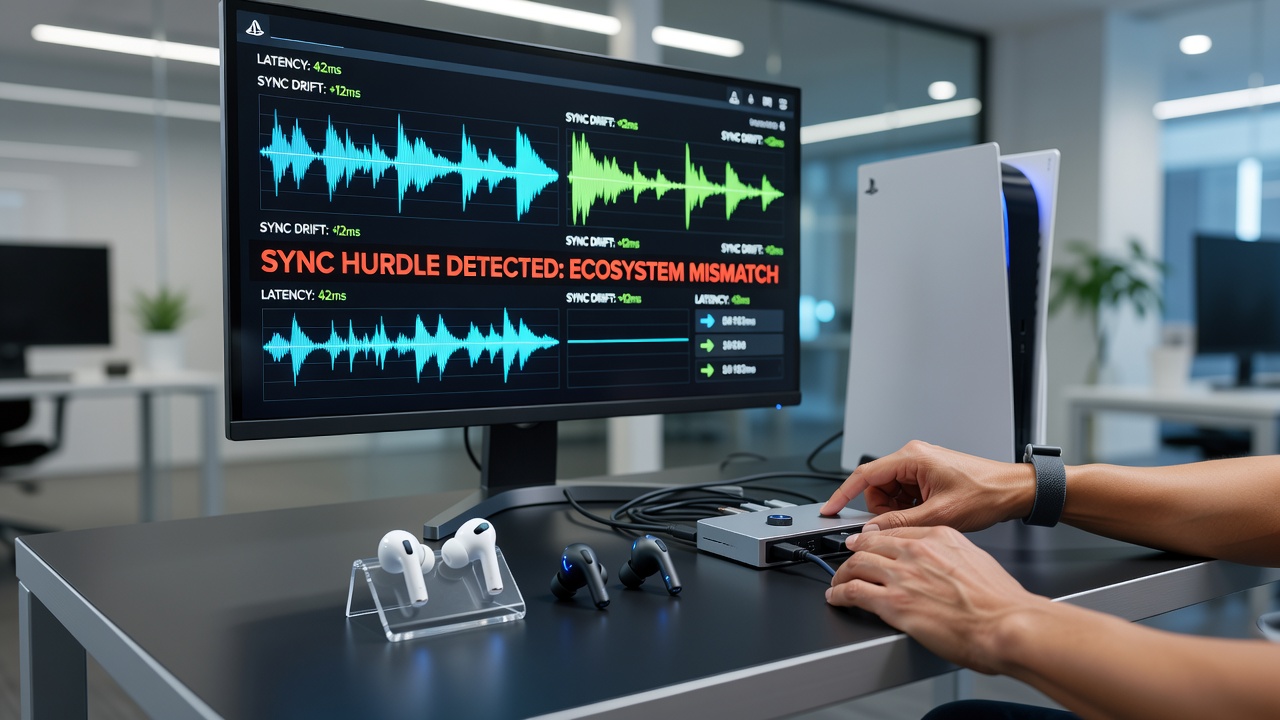
Console audio outputs on systems such as PlayStation 5 and Xbox Series X transmit through HDMI or optical connections that support higher bandwidth formats, whereas most wireless earbuds rely on Bluetooth protocols limited by codec compatibility and transmission distance. Data from industry reports shows average one-way latency for standard Bluetooth connections ranges between 150 and 250 milliseconds, while human perception thresholds for lip-sync discrepancies in interactive media often sit around 40 milliseconds according to studies published by the IEEE. When players use different earbud brands during the same session, codec mismatches arise because consoles rarely support advanced options like LDAC or aptX Adaptive without external hardware.
Multi-Player Dynamics in Shared Spaces
Living room multiplayer setups introduce additional variables as several earbud pairs attempt to maintain stable connections near the same console. Observers note that radio frequency interference increases when four or more devices operate within a three-meter radius, and this pattern appears consistently in sessions recorded during 2025 testing cycles. Each earbud ecosystem processes audio independently, which leads to staggered arrival times at each listener even when the console sends a single synchronized stream through its optical or USB transmitter. Figures from European Telecommunications Standards Institute benchmarks reveal that packet loss rates climb by 12 to 18 percent in environments with multiple active Bluetooth sources, and this directly affects timing consistency across participants.
Ecosystem-Specific Compatibility Patterns
Sony earbuds achieve tighter integration with PlayStation consoles through proprietary wireless protocols that bypass standard Bluetooth stacks, yet these advantages diminish when the same earbuds connect to Nintendo Switch or Xbox hardware. Samsung Galaxy Buds demonstrate stronger performance with Android-based streaming devices but encounter handshake delays on console-native Bluetooth modules that lack updated firmware support as of mid-2026. Apple AirPods users frequently rely on third-party transmitters to bridge the gap, and these adapters add another processing layer that extends overall delay beyond manufacturer specifications. Research indicates that firmware updates released in early 2026 reduced average sync drift by roughly 30 milliseconds for certain Sony models, while comparable improvements for cross-brand pairings have appeared more slowly.
Environmental and Hardware Variables
Physical placement of the console relative to seating arrangements influences signal strength, and thick furniture or walls between the transmitter and earbuds can extend latency by an additional 50 milliseconds according to field measurements collected across North American households. Temperature fluctuations within living rooms also affect battery performance in earbuds, which in turn alters transmission power and introduces further timing inconsistencies during extended multiplayer campaigns. Those who track audio performance data across different regions report that humidity levels above 60 percent correlate with higher error rates in Bluetooth packet delivery, particularly when multiple earbud ecosystems operate without dedicated channel separation features.
Current Mitigation Approaches and Their Limits
Some players adopt wired earbuds or headsets connected through controller ports to eliminate wireless variables entirely, while others configure console audio settings to lower sample rates in an attempt to reduce processing overhead. External Bluetooth transmitters with dedicated low-latency modes provide partial relief, yet these devices rarely support simultaneous connections from mixed earbud brands without introducing their own buffering delays. Academic analysis from the University of Melbourne highlights that adaptive buffering algorithms in newer transmitters can stabilize output within a 60-millisecond window, although this still exceeds perceptual thresholds for competitive timing-sensitive titles. Console manufacturers have incorporated software-level audio offset adjustments in system updates through July 2026, but these tools require manual calibration per earbud model and do not scale efficiently when participant counts exceed three.
Conclusion
Synchronization hurdles between wireless earbud ecosystems and console audio outputs arise from the intersection of Bluetooth protocol constraints, codec fragmentation, and multi-device interference patterns that intensify during living room multiplayer sessions. Available data demonstrates measurable latency ranges and interference rates that affect timing consistency across participants, while mitigation strategies continue to evolve through firmware refinements and external hardware options. Continued monitoring of codec adoption and transmitter capabilities will determine how these factors shift in subsequent hardware generations.