Algorithmic Pairing Dynamics: Tracking Retention Patterns When AI Curates Rival Matchups in Digital Arenas
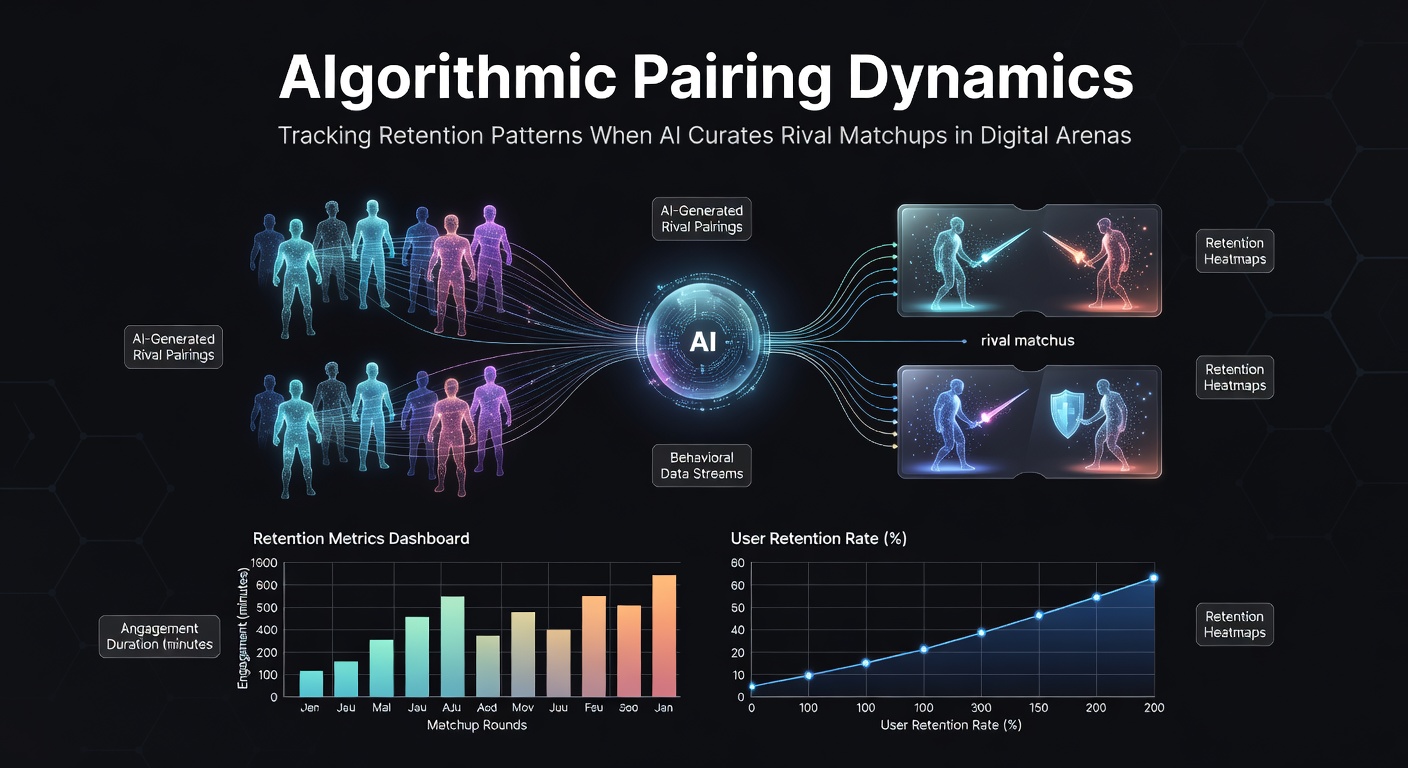 Competitive digital arenas rely on sophisticated algorithms that analyze player data to create balanced rival matchups, and researchers track how these systems influence long-term engagement across platforms. Developers integrate machine learning models that process skill ratings, play styles, and session histories to generate pairings that avoid extreme mismatches while introducing controlled variability. This approach maintains competitive tension without overwhelming participants, which helps sustain active user bases in multiplayer environments. Data from industry monitoring shows that retention improves when AI systems adjust pairings dynamically during peak hours, as players encounter opponents who present meaningful challenges rather than predictable dominance. Observers note that platforms using these methods record higher session completion rates because participants feel their progress receives fair recognition through consistent but varied competition. In May 2026 several major gaming networks reported updates to their pairing engines that incorporated real-time behavioral signals, leading to measurable shifts in daily active user figures.
Core Mechanisms Behind AI-Driven Rival Selection
AI curation begins with multi-layered scoring systems that combine traditional Elo-style ratings with deeper neural network evaluations of decision patterns and reaction times. Engineers feed these models continuous streams of in-match telemetry, which allows the algorithm to predict how two players might interact before they even enter the arena. The result produces pairings that balance individual skill gaps against broader community trends, ensuring that rivalries evolve rather than stagnate.
Those who analyze large datasets observe that successful systems prioritize secondary factors such as preferred game modes and time-of-day activity clusters. When an algorithm detects that a player consistently performs better in late-evening sessions, it tends to queue opponents with similar circadian patterns, which reduces latency-related frustration and supports longer play windows. This layered matching contributes to retention by aligning both competitive and logistical elements of the experience.
Retention Pattern Analysis Across Platforms
Tracking retention requires longitudinal studies that follow cohorts of players through multiple ranking cycles. Research indicates that cohorts exposed to refined AI pairings demonstrate steadier month-over-month return rates compared with groups using static matchmaking rules. Analysts measure these patterns through metrics including average sessions per week, rank progression speed, and voluntary break frequency.

Figures reveal that platforms implementing frequent model retraining every two weeks maintain tighter correlations between pairing quality scores and player return probability. When an algorithm introduces slight unpredictability by occasionally matching players against slightly higher-rated rivals, retention holds steady because participants perceive the outcome as skill-based rather than system-driven. Conversely, prolonged exposure to perfectly balanced opponents sometimes correlates with reduced engagement once novelty fades.
Regional Data and Industry Benchmarks
North American and European markets supply the bulk of publicly available retention statistics, yet analysts also examine trends from Asia-Pacific regions where mobile competitive scenes grow rapidly. A report issued by the Entertainment Software Association highlights that games employing advanced algorithmic pairing achieved average retention lifts of 12 to 18 percent during the first quarter of 2026. Similar patterns appear in datasets shared by academic groups studying human-computer interaction at scale.
European Commission reviews of digital platform transparency note that clear communication about how AI selects rivals can further support player trust and continued participation. When developers publish simplified explanations of their matching criteria, users show increased willingness to remain within the ecosystem rather than migrate to alternative titles. This transparency effect compounds over time as players develop accurate expectations about the competitive environment.
Future Tracking Methods Emerging in 2026
Engineers now experiment with federated learning techniques that let algorithms improve across multiple servers without centralizing sensitive player data. These distributed approaches allow finer-grained detection of emerging retention risks such as sudden drops in queue participation among specific demographic slices. By May 2026 several studios had begun piloting real-time dashboards that surface early warning indicators when pairing changes produce measurable engagement declines.
Academic institutions continue to publish comparative studies that contrast different algorithmic philosophies. One recurring observation involves the value of hybrid systems that blend pure skill matching with social proximity factors, such as pairing players who share friend networks or guild affiliations. These combinations appear to extend average player lifespan within a title by reinforcing both competitive and communal motivations simultaneously.
Conclusion
Algorithmic pairing dynamics continue to shape how digital arenas retain participants by delivering curated rival matchups that evolve alongside player behavior. Ongoing measurement of retention patterns supplies developers with actionable signals for model refinement, while regional benchmarks help calibrate expectations across diverse markets. As platforms integrate more transparent and distributed AI techniques, the relationship between pairing quality and sustained engagement becomes increasingly measurable and adjustable.