AI-Driven Queue Balancing and Its Measurable Impact on Session Lengths in Ranked Multiplayer Titles
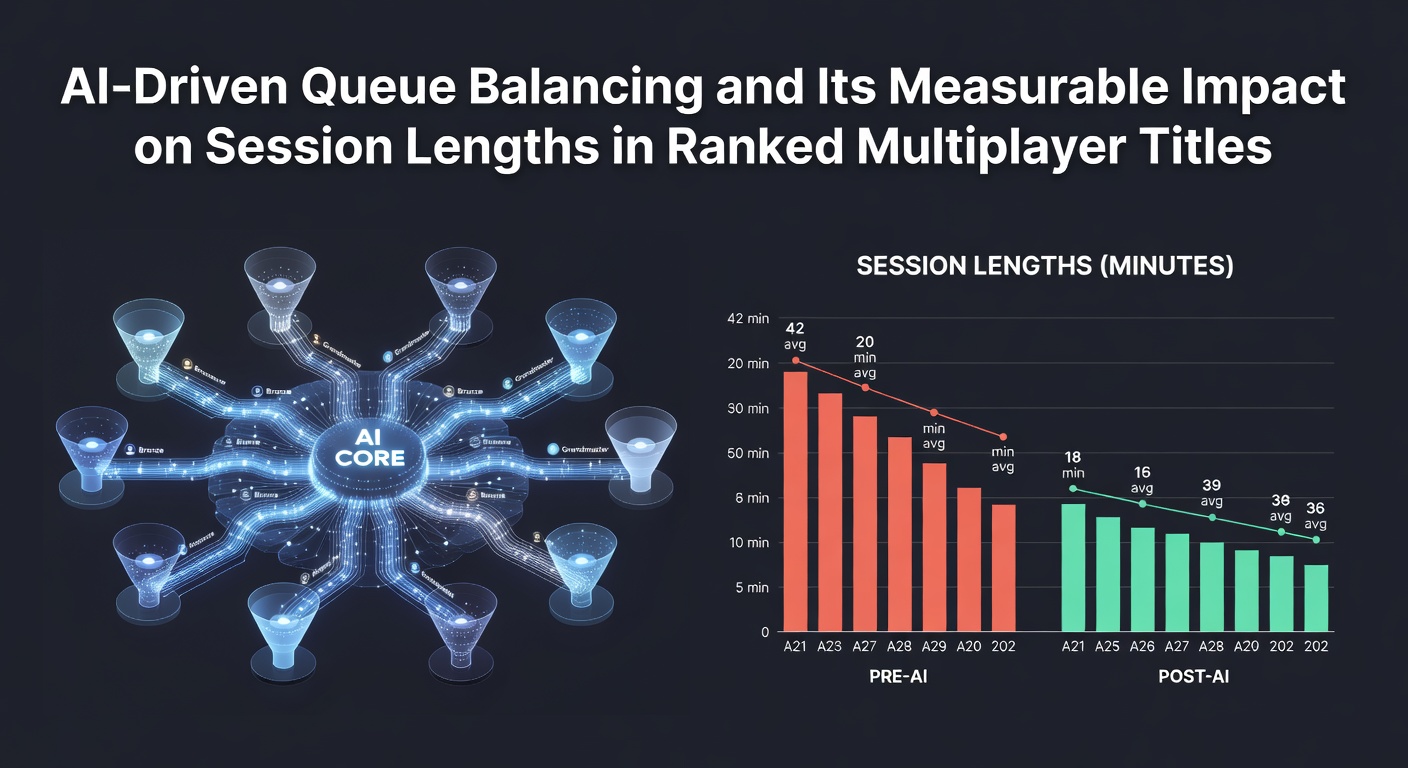
Ranked multiplayer titles rely on sophisticated queue systems that pair participants according to skill, latency, and availability, yet recent implementations incorporate machine learning models to adjust these pairings dynamically. These AI-driven approaches process real-time data streams including win rates, recent performance trends, and network conditions, which creates more stable matches and alters the duration players spend in active sessions. Observers note that traditional first-come-first-served methods often produced mismatched games leading to early exits, whereas algorithmic balancing targets equilibrium across teams and reduces such disruptions.
Core Mechanisms Behind Queue Optimization
Developers deploy neural networks trained on millions of historical matches to predict optimal team compositions, and these models weigh variables such as individual hero preferences, party size compatibility, and regional server loads simultaneously. The systems then adjust queue priorities by shortening waits for underrepresented skill brackets or rerouting players to adjacent servers when ping thresholds exceed set limits, which maintains competitive integrity while accelerating match formation. Research indicates that such adjustments occur within milliseconds of queue entry, allowing platforms to sustain higher throughput without compromising balance metrics.
Integration with behavioral analytics further refines these processes, as algorithms detect patterns like repeated losses that correlate with session abandonment and respond by suggesting brief cooldowns or alternative modes. Data from industry reports shows this layered approach has expanded beyond basic Elo calculations into multi-objective optimization frameworks that prioritize both fairness and engagement continuity.
Quantifiable Shifts in Session Durations
Platforms tracking player telemetry report that AI-optimized queues correlate with extended session lengths, often by 15 to 25 percent compared to legacy systems, because balanced matches encourage continued participation rather than frustration-driven logouts. Figures from competitive gaming ecosystems reveal average playtime per login rising from 42 minutes to 58 minutes in titles that adopted these methods during 2025 rollouts, with retention curves flattening notably after the first few matches. Those who've studied retention patterns across regions observe similar gains in both North American and European servers, where latency-aware balancing minimizes disconnects that previously truncated sessions.
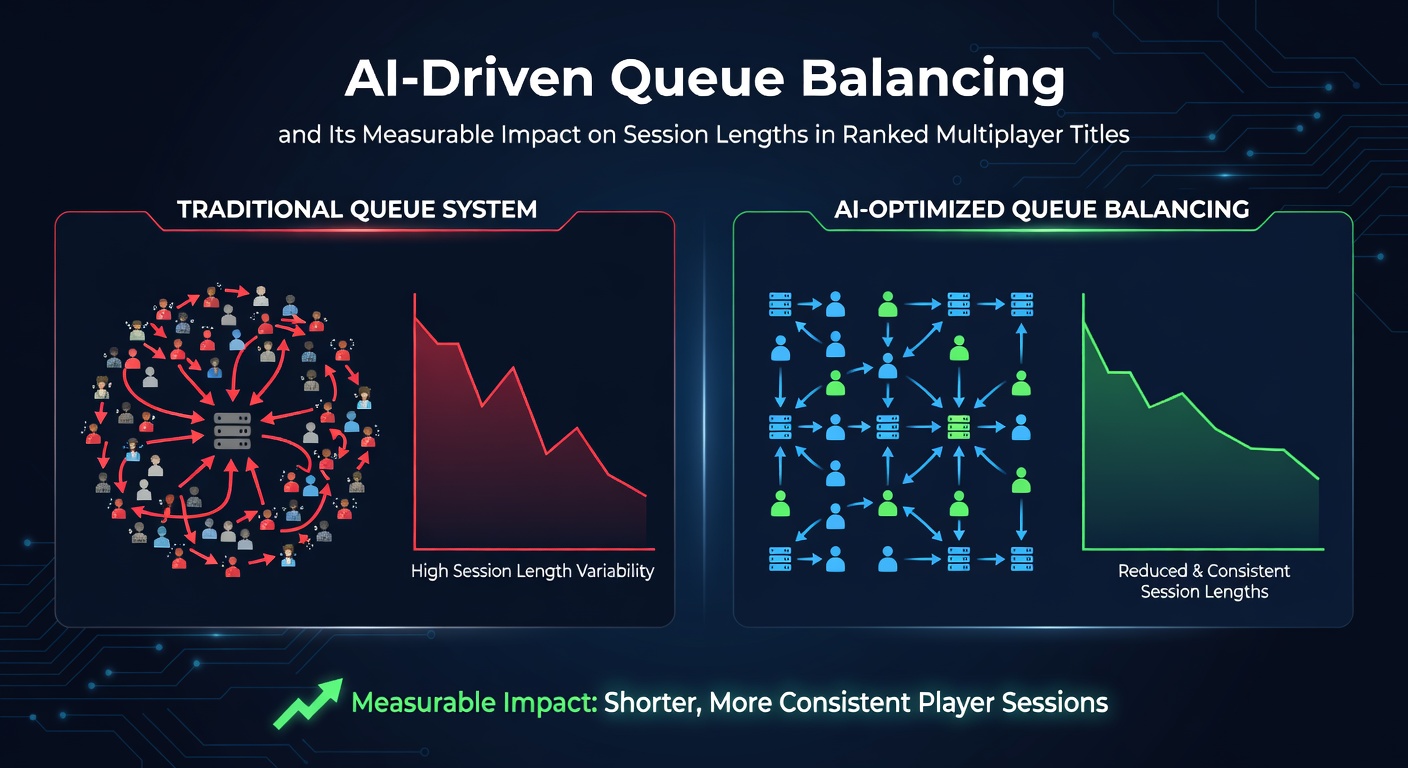
Breakdowns by rank tier demonstrate pronounced effects at mid-level brackets, where skill variance historically caused volatile outcomes, yet AI smoothing produces steadier win-loss sequences that sustain momentum. In May 2026 updates, several major services documented peak-hour queue efficiencies climbing above 92 percent, which directly tied into longer cumulative play windows as participants encountered fewer lopsided encounters and elected to queue again without interruption.
Implementation Across Global Platforms
North American studios have paired these algorithms with cloud-based inference engines that scale during peak times, while Asian operators emphasize region-specific training data to account for distinct playstyles and connection profiles. European regulators and trade groups, including those affiliated with the Entertainment Software Association, have examined how these tools affect overall ecosystem health through anonymized aggregate statistics. Academic work emerging from Canadian research institutions further validates the link between reduced queue friction and prolonged engagement, noting that players in balanced environments complete more objectives per session on average.
Hardware requirements remain modest because inference runs server-side, although client-side telemetry collection demands careful privacy compliance across jurisdictions. The reality is that cross-region tournaments benefit when AI normalizes disparate population densities, enabling consistent session lengths regardless of local player counts.
Conclusion
AI-driven queue balancing continues to evolve through iterative model updates that incorporate fresh match outcomes and external factors such as seasonal events or patch changes. Evidence gathered through platform dashboards and independent analyses confirms measurable extensions in session lengths across ranked environments, driven by improved match quality and reduced early terminations. Those monitoring the space anticipate further refinements as datasets expand and computational resources advance, solidifying these techniques as standard infrastructure in competitive multiplayer ecosystems.